Stormwater Drain Repair: Why Water Pooling Around the House Should Not Be Ignored
- Written by News Agency
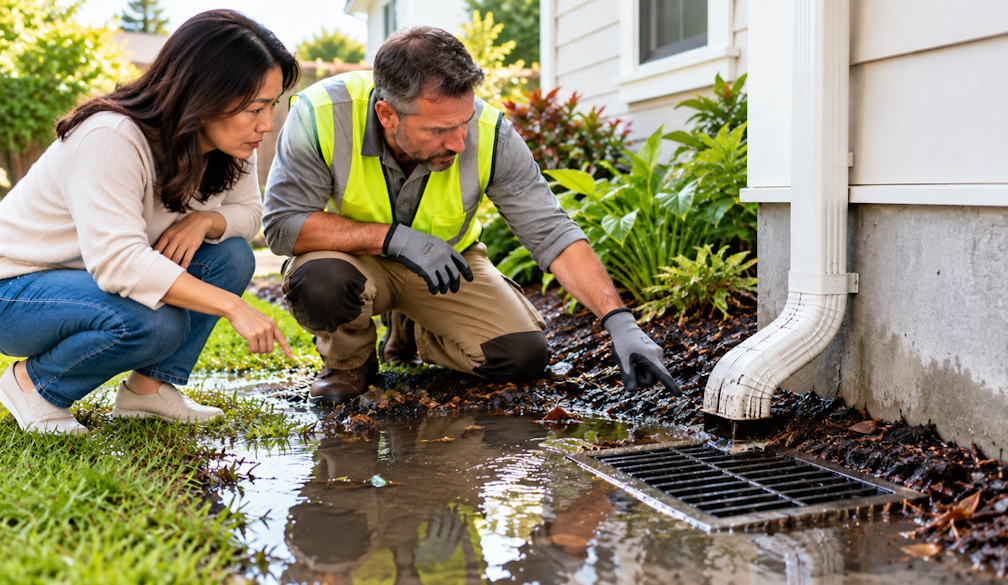
Water pooling around a house after rain can look harmless if it eventually disappears. A puddle near a path, wet garden bed beside a wall, or water sitting around an outdoor drain may seem like part of normal wet weather.
The problem is repetition. When the same area holds water after every storm, the property may be showing that stormwater is not being collected, moved or discharged properly. Over time, that can affect soil, paving, gardens and moisture around the building.
Stormwater drainage is there to move rainwater away from the parts of the property that should stay dry.
Pooling shows the system is losing control of water
Rainwater has to go somewhere. A well-functioning stormwater system collects roof and surface water, then moves it through gutters, downpipes, pits and underground pipes to an approved discharge point.
If water pools near the house, one of three things may be happening. Water may not be entering the drainage system. It may enter but not move away. Or the system may be too restricted, damaged or poorly graded to keep up with the volume of water reaching it.
A single puddle after extreme rain may not mean much. Repeated pooling in the same place is more useful evidence.
Why water near walls and foundations matters
Soil around a building changes when it repeatedly becomes saturated. It can soften, move, shrink and swell depending on conditions. Moisture can affect garden beds, paving, retaining edges and areas near footings.
Water sitting near walls can also find small paths into garages, subfloors, cavities or low internal areas. It does not always enter dramatically. Sometimes the first signs are damp smells, staining, mould, swollen skirting, or moisture appearing after heavy rain.
Stormwater drain repair Sydney homeowners need is often about preventing repeated water exposure, not only removing a puddle.
Common reasons stormwater pools
A blocked grate is the simplest cause. Leaves, dirt or mulch can stop water from entering the pit. A pit full of silt can create the same result even when the top looks clear.
Underground pipes may be blocked by roots, soil, broken sections, crushed pipework or sediment. Downpipes may discharge too much water into a line that is already restricted. Surface levels may have changed after landscaping, causing water to run away from drains or toward the house.
Sometimes the system was never sized or positioned well for the current property. Extensions, paving, sheds and changed garden levels can increase the amount of water needing management.
Why outdoor pooling can be worse after property upgrades
Home improvements often change how water moves. A new driveway can send runoff toward a side path. Paving can remove absorbent soil and increase surface flow. Raised garden beds can redirect water. Covered drains or narrowed grates can reduce capacity.
The stormwater system may have worked before the changes but now receives more water than it can handle.
If pooling starts after landscaping, concreting, paving or renovation, the timing is important. The repair may need to address both the drain and the surface levels around it.
How to tell whether repair is needed
Clearing visible debris is a good first step. If water drains normally after leaves and mud are removed, ongoing maintenance may be enough. If the pit stays full, refills quickly, smells earthy or foul, or contains heavy silt, the issue may be deeper.
Other warning signs include water bubbling up through grates, several pits filling at once, repeated overflow from the same area, dampness along a pipe route, or water entering a garage or subfloor.
If a stormwater drain repeatedly fails during ordinary rain, repair should be considered.
What a plumber can investigate
A plumber can check the system in stages. Are gutters and downpipes delivering water properly? Are pits clear? Does water leave the pit through the outlet pipe? Is the underground line blocked or damaged? Where does the pipe run? Is there enough fall for water to move away?
High-pressure jetting can clear some blocked stormwater lines. CCTV inspection can reveal broken pipework, root intrusion, silt, crushed sections, standing water or disconnection. Locating equipment can identify where the problem sits under the ground.
This evidence helps decide whether the answer is cleaning, local repair, pipe replacement, relining, pit work or improvements to surface drainage.
Why ignoring pooling can increase repair costs
A stormwater issue left unresolved can worsen over time. Soil can wash into a broken pipe, creating a larger void. Roots can enter damaged sections. Water can undermine paving. Saturated ground can make access messier and repairs more involved.
The longer water is allowed to collect in the wrong place, the more surrounding materials may be affected.
Early repair is not about panic. It is about stopping a drainage fault from becoming a building, paving or landscaping problem.
Practical steps homeowners can take
Keep gutters, downpipes, grates and pits clear before heavy rain. Watch where water travels during a storm if it is safe to do so. Note whether water is coming from the roof, neighbouring levels, paved areas or garden beds. Take photos of pooling before it drains away.
Those observations help a plumber understand the problem when the weather has passed and the area looks normal again.
Do not cover grates with pots, turf, mulch or decorative stones. Stormwater drains need open access to work properly.
A soft call to act early
Water pooling around a home is easy to dismiss because it often disappears by the next day. The question is whether it keeps coming back to the same place.
If it does, the property is showing a drainage pattern that should be understood. A plumber can check whether the issue is a blocked pit, damaged underground pipe, poor fall or broader stormwater layout problem.
The best time to repair stormwater drainage is before the next heavy rain proves the system still cannot move water away fast enough.