Metal Fabrication And Its Role In Modern Manufacturing
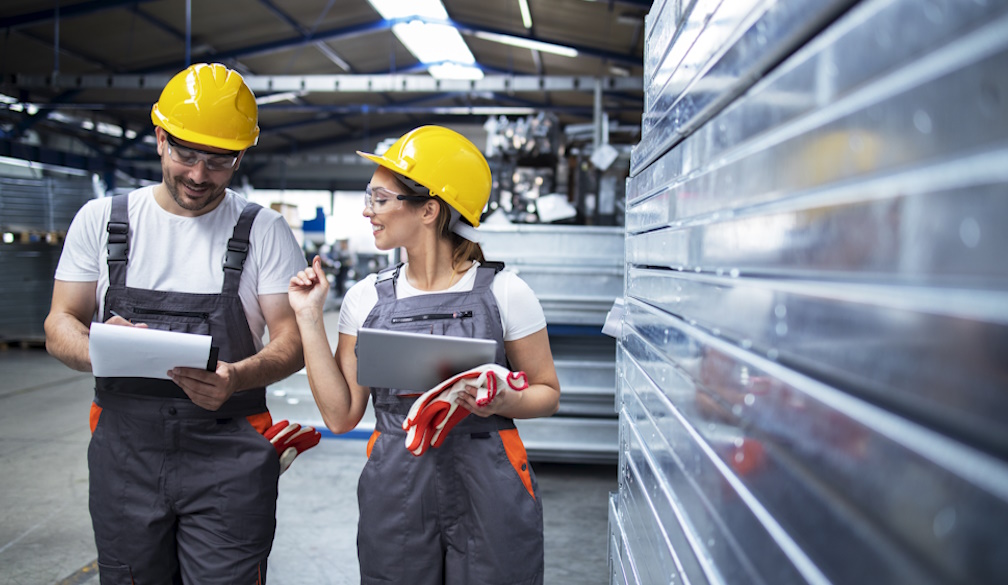
The process of metal fabrication is essential across industries that rely on precision-built components, strong structures, and custom-engineered products. Metal fabrication involves cutting, shaping, welding, assembling, and finishing metal materials to produce everything from machinery parts and construction frameworks to architectural features and industrial equipment. This process combines engineering knowledge with advanced tools and skilled craftsmanship to transform raw metal into functional, durable products suited to a wide range of applications. Industries such as construction, automotive, mining, aerospace, food production, and manufacturing all depend heavily on metal fabrication to support their operations. Its importance continues to grow as technology advances and the demand for high-quality, custom-built metal solutions increases.
Understanding The Value Of Metal Fabrication Melbourne Services
Businesses seeking reliable metalwork solutions often turn to metal fabrication Melbourne specialists who deliver precision, consistency, and high-quality workmanship. Melbourne’s industrial sector is known for its strong manufacturing and engineering capabilities, supported by experienced fabricators who work with a range of materials, including stainless steel, aluminium, mild steel, and specialised alloys. Local fabrication workshops offer services such as MIG and TIG welding, CNC cutting, bending, rolling, punching, and assembly. These services allow companies to source everything from custom brackets and enclosures to large-scale structures and industrial components. The growing demand for customised metal parts in Melbourne highlights the importance of skilled fabricators who can deliver tailored solutions that meet strict Australian standards for safety, strength, and performance.
The Importance Of Experienced Metal Fabricators Melbourne
Choosing professional metal fabricators Melbourne ensures that businesses receive reliable craftsmanship and precise workmanship across each stage of the fabrication process. Skilled fabricators possess an understanding of metal behaviour, welding techniques, structural design, and engineering requirements. Their expertise supports the creation of durable components that perform effectively in demanding environments. Experienced fabricators contribute to project success by ensuring that every cut, weld, and bend aligns with design specifications and industry standards. Melbourne’s fabrication industry is built on a foundation of quality, innovation, and technical skill, making professional fabricators valuable partners for businesses in construction, engineering, and manufacturing.
Why Metal Fabrication Is Essential In Construction
Metal fabrication plays a major role in building and infrastructure development. Structural steel beams, staircases, frames, platforms, handrails, and architectural features are all fabricated to precise measurements before being installed on-site. Accurate fabrication ensures safety, stability, and efficiency during construction. Many modern buildings incorporate custom metalwork to achieve unique designs and practical solutions. Fabrication workshops also support construction companies by providing fast turnaround times, allowing projects to progress smoothly without delays.
Custom Manufacturing And Industrial Component Production
Custom fabrication supports industries that require specialised equipment or unique components not available off the shelf. Fabricators develop customised products such as equipment guards, industrial brackets, conveyor system components, machine frames, and enclosures tailored to specific operational needs. These custom solutions improve system performance, enhance safety, and reduce the risk of equipment failure. In manufacturing plants, fabricated components contribute to machinery efficiency and help achieve seamless production workflows.
Welding Techniques And Their Importance In Fabrication
Welding is a core component of metal fabrication, and different techniques are used depending on material type and final application. MIG welding is commonly used for thicker metals, providing strong and efficient joints suited for industrial structures and equipment. TIG welding allows for highly precise and clean welds, making it ideal for stainless steel, aluminium, and detailed fabrication projects. Skilled welders ensure the strength, quality, and integrity of welded joints, which is crucial for the long-term performance of fabricated products.
Advanced Technology Enhancing Fabrication Quality
Modern fabrication workshops use advanced technology such as CNC routers, laser cutters, plasma cutters, robotic welding systems, and automated bending machines. These technologies increase accuracy, reduce human error, and allow fabricators to work quickly without compromising quality. With digital design tools, fabrication teams can create detailed models, simulate loads, and optimise structures before cutting or welding begins. This reduces waste, improves efficiency, and ensures consistent results across multiple components.
Metal Fabrication In Architectural And Creative Projects
Beyond industrial applications, metal fabrication also supports creative and architectural fields. Artistic installations, sculptures, signage, decorative panels, and bespoke furniture rely on skilled metalwork to achieve visually appealing and structurally sound designs. Fabricators work closely with architects, designers, and artists to turn concepts into physical structures. The versatility of metal allows for complex shapes, fine details, and modern aesthetic finishes that enhance commercial and residential spaces.
Durability And Quality Control In Fabricated Products
Fabricated metal products must meet stringent quality standards to ensure safety and long-term performance. Quality control procedures include material inspection, weld testing, dimensional checks, and surface finishing. These steps help prevent defects, ensure compliance with engineering specifications, and guarantee structural reliability. Trusted fabrication workshops prioritise quality at every stage, from raw material selection to final inspection.
Selecting The Right Fabrication Partner
Choosing the right fabrication company ensures accurate work, timely delivery, and dependable results. Businesses should seek fabricators with proven experience, modern equipment, industry certifications, and strong customer support. A reliable fabrication partner helps streamline project timelines, reduce costs, and ensure that components are built to withstand demanding operational conditions.
Conclusion: The Ongoing Value Of Professional Metal Fabrication
Metal fabrication remains essential across industries requiring strength, precision, and custom solutions. With advancements in technology and continued demand for high-quality manufactured components, the role of skilled fabricators is more important than ever. Businesses benefit from partnering with experienced professionals who deliver strong, accurate, and durable metalwork. Whether for construction, manufacturing, engineering, or creative projects, metal fabrication continues to support innovation and industrial growth.