Food Manufacturing Cleaning And The Importance Of Hygiene In Production Environments
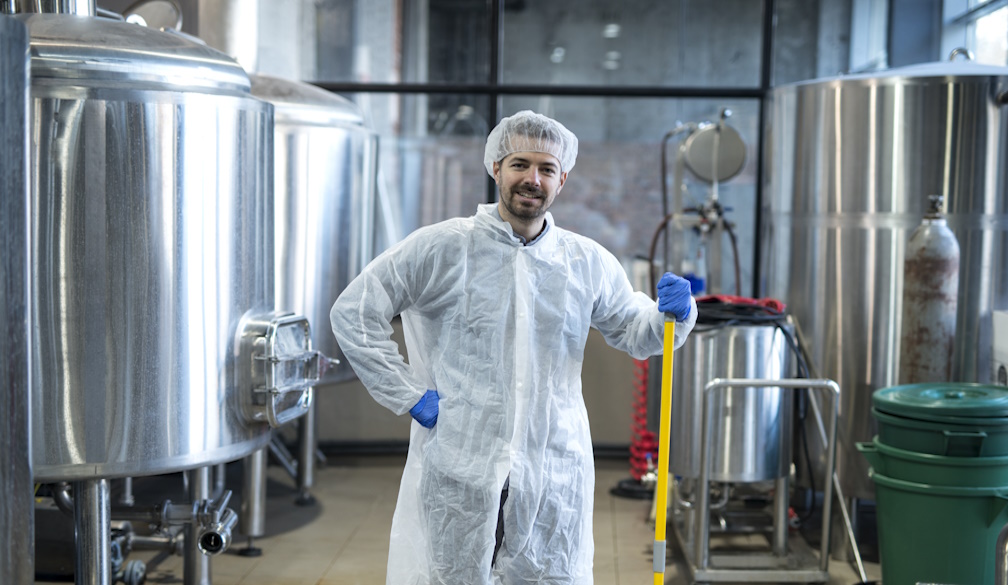
Maintaining strict hygiene standards is essential in any facility that handles food production, and effective food manufacturing cleaning plays a crucial role in protecting public health, ensuring regulatory compliance, and maintaining product quality. Food manufacturing plants face unique challenges due to the presence of raw ingredients, high moisture levels, heavy machinery, and continuous production cycles. Without consistent and thorough cleaning processes, these environments can become breeding grounds for bacteria, mould, and contaminants that pose serious risks to consumers and businesses alike. Proper cleaning helps prevent contamination, protects brand reputation, and ensures that facilities operate safely and efficiently.
Understanding The Hygiene Challenges In Food Manufacturing Environments
Food production facilities deal with a wide variety of ingredients, processing stages, and temperature-controlled environments. These conditions make it easier for microorganisms to flourish if cleaning procedures are not strictly followed. Surfaces that come into contact with food, such as equipment, conveyor belts, preparation tables, and packaging machines, require constant sanitation to prevent cross-contamination. Moisture and food residue create ideal environments for bacteria, while poorly maintained equipment can harbour hidden contaminants. As production continues throughout the day, maintaining cleanliness becomes a continuous process rather than a single task.
The Importance Of Regulatory Compliance And Industry Standards
Food manufacturers must adhere to strict hygiene regulations set by health authorities and industry standards. Compliance is essential not only to avoid penalties but also to protect consumers and maintain the trust of retailers and distributors. Standards such as HACCP, GMP, and ISO guidelines outline the cleaning and sanitation requirements for food processing environments. Regular inspections ensure that facilities follow these protocols, from equipment cleaning to environmental monitoring. Meeting these requirements helps manufacturers maintain product consistency, reduce contamination risks, and operate with confidence.
Preventing Cross-Contamination Through Effective Cleaning
Cross-contamination is one of the most significant risks in food production environments. Contaminants can spread from raw ingredients to finished products, from equipment to surfaces, or through personnel movement across zones. Effective cleaning protocols help break this chain by removing residue, disinfecting surfaces, and preventing bacteria from spreading. This is especially important in facilities handling allergenic ingredients, where even trace amounts can pose risks to consumers with allergies. Proper zoning, sanitation schedules, and staff training all contribute to reducing the risk of cross-contamination.
Cleaning Methods For Different Types Of Equipment
Food processing facilities use a wide range of equipment, each requiring specific cleaning methods. Large machinery may require disassembly for thorough sanitation, while smaller tools must be cleaned with appropriate detergents and disinfectants. Conveyor belts, mixers, slicers, tanks, and packing lines each have unique cleaning requirements. Some systems use Clean-In-Place (CIP) technology that allows equipment to be cleaned without disassembly, improving efficiency and ensuring consistency. For equipment that cannot be cleaned in place, trained personnel must follow detailed procedures to ensure every surface is sanitised properly.
The Role Of Professional Cleaning Services In Food Production
Professional cleaning services provide specialised knowledge, equipment, and strategies tailored to the demands of food manufacturing environments. These experts understand how to handle industry-specific cleaning challenges, from deep sanitation of machinery to routine surface cleaning. They use approved chemicals, advanced equipment, and timed cleaning schedules to maintain hygiene without disrupting production. By partnering with professionals, manufacturers benefit from improved efficiency, reduced contamination risks, and compliance with regulatory standards. Professional cleaners also provide detailed documentation for audit readiness.
Improving Worker Safety Through Structured Cleaning Programs
A clean facility is essential not only for food safety but also for worker safety. Wet floors, food debris, and accumulated residue can create slip hazards and contribute to workplace injuries. Proper cleaning reduces these risks and ensures that workspaces remain safe and efficient. In addition, clean equipment functions more reliably, reducing the likelihood of mechanical failures that could endanger workers. Structured cleaning programs also help staff understand their responsibilities and maintain a consistent hygiene culture throughout the facility.
Using Advanced Cleaning Technologies For Better Results
Modern food manufacturing facilities increasingly rely on advanced technologies to maintain cleanliness. High-pressure steam systems, automated cleaning tools, industrial vacuum systems, and specialised sanitising solutions help improve cleaning efficiency and effectiveness. UV disinfection and antimicrobial coatings offer additional layers of protection against harmful microorganisms. These technologies reduce manual labour requirements and provide consistent results, ensuring high levels of cleanliness across all stages of production.
Environmental Considerations In Cleaning Practices
Sustainable cleaning practices are becoming more important as manufacturers aim to reduce their environmental impact. Using biodegradable cleaning agents, reducing water consumption, and optimising cleaning schedules all contribute to more sustainable operations. Modern cleaning systems are designed to limit waste and minimise resource usage without compromising hygiene. By implementing eco-friendly strategies, food manufacturers can operate more responsibly while still maintaining strict sanitation standards.
The Impact Of Proper Cleaning On Product Quality
The quality of food products depends largely on the cleanliness of the environment in which they are produced. Contaminants can affect flavour, texture, appearance, and shelf life. Proper cleaning ensures that equipment remains in optimal condition and that food products are processed in a hygienic environment. This leads to safer, higher-quality products that meet consumer expectations and industry requirements. Regular cleaning also reduces equipment wear, improving production efficiency and reducing long-term maintenance costs.
Conclusion: Ensuring Safety, Quality, And Compliance Through Effective Cleaning
Effective food manufacturing cleaning is essential for maintaining product safety, protecting consumers, and ensuring regulatory compliance. Thorough cleaning and sanitation practices prevent contamination, improve operational efficiency, and support a healthier work environment. As food production continues to evolve, maintaining high hygiene standards remains a top priority for manufacturers seeking to protect their reputation and deliver safe, high-quality products. A well-executed cleaning program provides long-term benefits and forms the foundation of a successful and responsible food production facility.