Commercial Construction Companies Melbourne And Building The City’s Business Backbone
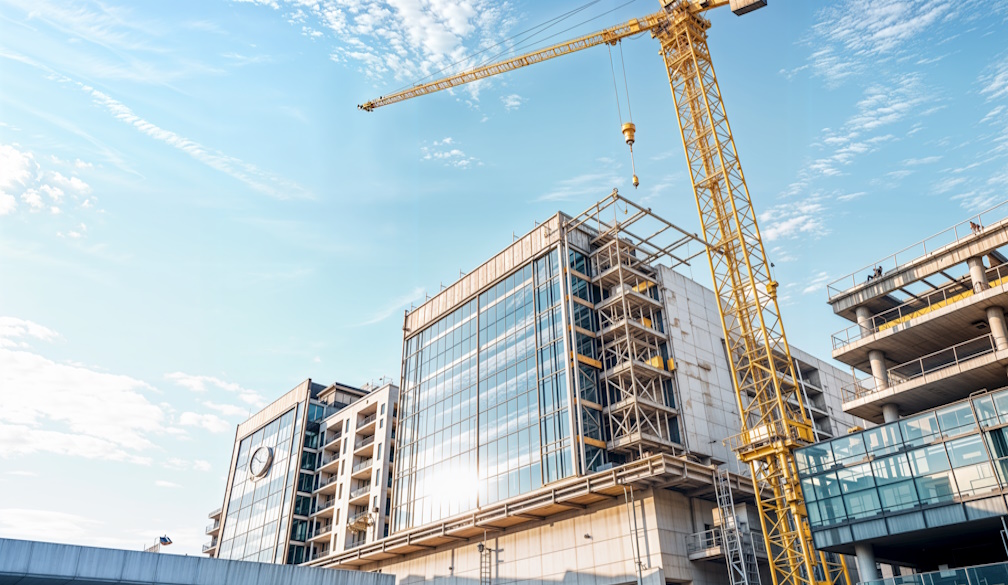
Commercial construction companies in Melbourne play a defining role in shaping how the city works, grows, and functions. From office buildings and retail spaces to industrial facilities and mixed-use developments, these companies are responsible for creating environments where businesses operate and communities connect. Commercial construction is not simply about erecting structures; it is about delivering projects that meet strict timelines, comply with regulations, and perform reliably for decades. In a city as dynamic as Melbourne, the quality of commercial construction directly influences economic activity and urban life.
What sets commercial construction apart from residential work is scale and complexity. Commercial projects often involve larger footprints, heavier loads, and higher occupancy requirements. They demand coordination between architects, engineers, trades, and regulatory bodies. Experienced construction companies manage this complexity through planning, technical expertise, and disciplined execution, ensuring that projects progress smoothly from concept to completion.
The Scope Of Commercial Construction Projects
Commercial construction encompasses a wide range of building types, each with unique requirements. Office developments must balance functionality, comfort, and efficiency while meeting modern expectations for sustainability and flexibility. Retail projects focus on customer flow, visibility, and durability, as high foot traffic places constant demands on materials and finishes. Industrial and warehouse facilities prioritise structural strength, clear spans, and operational efficiency to support logistics and manufacturing activities.
In Melbourne, many commercial projects also involve the refurbishment or extension of existing buildings. These works require careful integration with current structures, minimising disruption while upgrading performance and compliance. Commercial construction companies must be adept at working within live environments, managing safety and continuity alongside construction progress.
Public and community-focused developments add another layer of responsibility. Schools, healthcare facilities, and civic buildings must meet rigorous standards for accessibility, safety, and long-term use. These projects highlight the importance of quality construction, as they directly affect daily life for large numbers of people.
Engineering And Foundations In Commercial Builds
Strong foundations are critical to any commercial structure, particularly given the loads involved. Commercial construction companies work closely with engineers to design footing and foundation systems suited to site conditions and building requirements. In many cases, this involves specialised foundation solutions such as piling or reinforced concrete systems that provide stability on challenging ground.
Proper foundation design supports not only the structure above but also the efficiency of the building process. Accurate planning reduces the risk of delays, variations, and costly remediation. When foundations are executed correctly, subsequent stages of construction can proceed with confidence.
Structural systems above ground must also accommodate commercial demands. Large open spaces, heavy equipment, and future adaptability all influence design decisions. Construction companies that understand these requirements deliver buildings that remain functional and relevant as business needs evolve.
Project Management And Coordination
One of the most important roles of commercial construction companies is project management. Coordinating multiple disciplines, suppliers, and timelines requires experience and clear communication. Effective project management ensures that each stage of construction aligns with the overall programme and budget.
In Melbourne’s competitive construction environment, delays can have significant financial consequences. Commercial construction companies mitigate these risks through detailed scheduling, proactive problem-solving, and close oversight of site activities. They also manage compliance with building codes, workplace safety regulations, and environmental standards, all of which are critical in commercial developments.
Clear communication with clients is another essential element. Regular updates, transparent reporting, and collaborative decision-making help maintain trust and keep projects aligned with expectations. This partnership approach is especially valuable on complex builds where changes may be required as work progresses.
Quality, Compliance, And Longevity
Commercial buildings are long-term assets, and their performance over time reflects the quality of their construction. Materials, workmanship, and attention to detail all influence durability, maintenance requirements, and operating costs. Commercial construction companies committed to quality focus on doing things right the first time, rather than relying on fixes later.
Compliance is equally important. Commercial buildings must meet stringent standards for fire safety, accessibility, structural integrity, and energy efficiency. Failure to meet these requirements can delay approvals and limit usability. Experienced construction companies understand regulatory frameworks and integrate compliance into every stage of the build.
Longevity also depends on adaptability. Well-constructed commercial buildings can be reconfigured, extended, or upgraded as needs change. This flexibility adds value for owners and tenants, supporting long-term investment returns.
The Role Of Specialist Contractors
Commercial construction is a collaborative effort that relies on specialist contractors for foundations, structural works, services, and finishes. Construction companies act as the central point of coordination, ensuring that each specialist contributes effectively to the overall project.
Foundation specialists, such as those providing commercial footing systems, play a vital role in establishing a reliable base for construction. Their expertise ensures that ground conditions are addressed properly, reducing risk and supporting structural performance. When specialists are integrated early in the process, outcomes improve across the board.
Surefoot Footings supports commercial construction projects by delivering foundation solutions tailored to site conditions and building requirements. Their experience in commercial footings helps ensure that projects begin on solid ground, setting the stage for successful construction above.
Why Experience Matters In Commercial Construction
Commercial construction involves high stakes. Budgets are substantial, timelines are tight, and the consequences of errors can be significant. Experience allows construction companies to anticipate challenges, manage risk, and deliver consistent results. Knowledge gained from past projects informs better decisions on new ones, benefiting clients and end users alike.
In a city like Melbourne, where development continues to accelerate, choosing the right commercial construction partner is essential. Companies with a proven track record bring stability to complex projects and help transform plans into functional, enduring spaces.
Building For Business And Beyond
Commercial construction companies in Melbourne do more than build structures. They create the physical framework that supports commerce, innovation, and community life. Through careful planning, skilled execution, and a commitment to quality, they shape environments where businesses can thrive. When done well, commercial construction leaves a lasting imprint, contributing to a city that works better for everyone.