Building Resilient Business Platforms with API-Driven Content Architecture
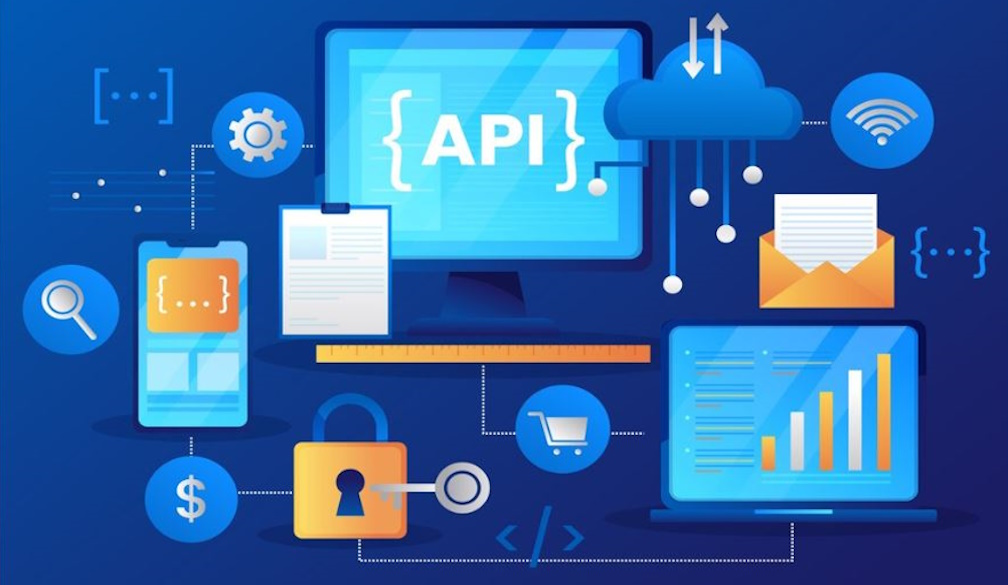
Resilience has become a defining requirement for modern business platforms. Organizations must be able to withstand sudden changes in demand, evolving customer expectations, and rapid technological shifts. Whether it is scaling during peak traffic, adapting to new channels, or integrating emerging tools, resilience ensures that systems continue to perform without disruption.
API-driven content architecture plays a central role in achieving this resilience. By decoupling content from presentation and enabling seamless communication between systems, businesses can create platforms that are flexible, scalable, and adaptable. Headless CMS solutions are at the core of this approach, providing a structured and centralized content layer that can be delivered across multiple applications. By building on API-driven architecture, organizations can ensure that their platforms are not only robust but also prepared for continuous evolution.
Understanding the Need for Resilient Business Platforms
Modern businesses operate in environments where change is constant. Market conditions shift, user behavior evolves, and new technologies emerge at a rapid pace. In this context, resilience is not just about stability it is about the ability to adapt and respond effectively to change, which helps explain Why developers prefer headless CMS for building systems that are more flexible, adaptable, and future-ready.
Traditional monolithic systems often struggle to meet these demands. Their tightly coupled architecture makes it difficult to scale, integrate new features, or recover from disruptions. This lack of flexibility can lead to downtime, inefficiencies, and missed opportunities.
API-driven content architecture addresses these challenges by providing a more modular and adaptable approach. By separating content from other system components, businesses can build platforms that are better equipped to handle change and maintain performance.
Decoupling Content for Greater System Stability
Decoupling is a key principle of resilient architecture. By separating content management from frontend presentation and backend logic, businesses can reduce dependencies between system components. This separation ensures that changes in one area do not disrupt others.
In a headless CMS, content is stored independently and delivered through APIs. This allows frontend applications to evolve without affecting the content layer. Similarly, backend systems can be updated or replaced without impacting content delivery.
This decoupling enhances stability by isolating potential issues and reducing the risk of system-wide failures. By minimizing dependencies, businesses can create platforms that are more robust and easier to maintain.
Leveraging APIs for Seamless Integration
APIs are the backbone of modern digital ecosystems, enabling systems to communicate and share data efficiently. In an API-driven content architecture, content is delivered through APIs, allowing it to be integrated with various applications and services.
This approach enables businesses to connect their content system with tools such as analytics platforms, customer data systems, and third-party applications. Integration becomes more flexible and scalable, as new systems can be added without disrupting existing ones.
Seamless integration ensures that platforms remain connected and adaptable. By leveraging APIs, businesses can build ecosystems that support innovation and resilience.
Structuring Content for Scalability and Flexibility
Structured content is essential for creating scalable and flexible platforms. By organizing content into modular components, businesses can reuse and adapt it across different contexts and channels. This reduces duplication and ensures consistency.
Structured content also simplifies updates and maintenance. Changes can be applied at the component level, ensuring that all instances remain aligned. This approach supports scalability by allowing businesses to manage large volumes of content efficiently.
By structuring content effectively, organizations can create a foundation that supports growth and adaptation. This flexibility is key to building resilient platforms.
Supporting Omnichannel Delivery Without Disruption
Resilient platforms must be able to deliver content across multiple channels without compromising performance. Whether it is websites, mobile apps, or emerging digital interfaces, content must be consistent and accessible.
An API-driven content architecture enables omnichannel delivery by centralizing content and distributing it through APIs. This ensures that content can be accessed by different platforms simultaneously, maintaining consistency and reducing complexity.
Supporting multiple channels without disruption ensures that businesses can meet customer expectations and expand their reach. This capability is essential for resilience in a multi-channel environment.
Enabling Real-Time Updates and Responsiveness
In dynamic environments, the ability to update content in real time is critical. Delayed updates can lead to outdated information, reduced engagement, and missed opportunities. Resilient platforms must be able to respond quickly to changes.
A headless CMS enables real-time updates by centralizing content and distributing changes instantly across all connected systems. This ensures that users always have access to the latest information.
Real-time responsiveness enhances user experience and ensures that platforms remain relevant. By enabling instant updates, API-driven architecture supports agility and resilience.
Improving System Performance Through Distributed Architecture
Performance is a key component of resilience. Platforms must be able to handle high traffic and deliver content quickly, even under heavy load. Distributed architecture plays a crucial role in achieving this.
API-driven content systems often leverage content delivery networks and cloud-based infrastructure to distribute content efficiently. This ensures that content is delivered بسرعة and reliably, regardless of user location.
Improved performance enhances user experience and reduces the risk of downtime. By adopting distributed architecture, businesses can create platforms that are both fast and resilient.
Reducing Risk with Modular System Design
Modular design is another important aspect of resilience. By breaking systems into smaller, independent components, businesses can isolate issues and reduce the impact of failures. This approach ensures that problems in one area do not affect the entire platform.
In an API-driven architecture, each component can be developed, tested, and deployed independently. This reduces complexity and improves reliability. It also allows businesses to update or replace components without disrupting the system.
By reducing risk through modular design, businesses can create platforms that are more stable and easier to maintain.
Enhancing Collaboration Across Technical and Business Teams
Building resilient platforms requires collaboration between technical and business teams. Developers, marketers, and operations teams must work together to ensure that systems meet both technical requirements and business goals.
A headless CMS provides a shared platform where all teams can access and manage content. Structured content models act as a common framework, improving communication and alignment. This collaboration ensures that platforms are both functional and effective.
Enhanced collaboration leads to better outcomes and supports resilience by ensuring that all aspects of the platform are aligned.
Scaling Platforms to Meet Growing Demand
As businesses grow, their platforms must be able to handle increased demand. This includes higher traffic, more content, and additional features. Scalability is essential for maintaining performance and reliability.
API-driven content architecture supports scalability by enabling independent scaling of different components. Content delivery, frontend applications, and backend systems can all scale according to demand.
This flexibility ensures that platforms can grow without compromising performance. By supporting scalability, businesses can maintain resilience as they expand.
Future-Proofing Platforms for Continuous Evolution
The digital landscape is constantly evolving, and platforms must be able to adapt to new technologies and trends. Future-proofing ensures that systems remain relevant and capable of supporting innovation.
A headless CMS provides a flexible foundation that can integrate with new tools and platforms. Content can be reused and repurposed for new use cases, ensuring long-term value.
Future-proofing allows businesses to stay ahead of change and maintain a competitive edge. By investing in flexible architecture, organizations can ensure that their platforms remain resilient over time.
Leveraging Data to Strengthen Platform Resilience
Data insights play a crucial role in maintaining and improving platform resilience. By monitoring system performance, user behavior, and content effectiveness, businesses can identify potential issues before they escalate. This proactive approach allows teams to address vulnerabilities early and optimize their platforms continuously.
An API-driven content architecture integrates with analytics and monitoring tools, providing real-time visibility into platform performance. Teams can track metrics such as response times, error rates, and user engagement to ensure that systems are operating efficiently. Structured content further enhances this process by enabling more granular analysis.
By leveraging data, businesses can make informed decisions that strengthen their platforms. This continuous monitoring and optimization ensure that resilience is maintained even as systems evolve and grow.
Turning Resilience into a Competitive Advantage
Ultimately, resilience is not just about avoiding failure it is about enabling growth and innovation. Businesses that can adapt quickly, scale efficiently, and deliver consistent experiences are better positioned to succeed in competitive markets.
API-driven content architecture provides the tools needed to achieve this resilience. By combining flexibility, scalability, and integration, it allows businesses to build platforms that support long-term success.
Turning resilience into a strategic advantage ensures that organizations can thrive in dynamic environments and continue to innovate without disruption.
Strengthening Disaster Recovery and Business Continuity Planning
Resilient business platforms must be prepared not only for growth and innovation but also for unexpected disruptions. System failures, outages, or data issues can significantly impact operations if there is no effective recovery strategy in place. API-driven content architecture strengthens disaster recovery and business continuity by ensuring that content and services are not dependent on a single point of failure.
A headless CMS, combined with distributed infrastructure, allows content to remain accessible even if one part of the system experiences issues. Because content is delivered through APIs and often supported by cloud-based environments, it can be replicated and served from multiple locations. This ensures that users continue to receive information without interruption.
By building resilience into recovery strategies, businesses can minimize downtime and maintain trust with their users. This preparedness ensures that operations can continue smoothly, even in the face of unexpected challenges.
Enabling Independent System Evolution Without Operational Disruption
One of the key benefits of API-driven content architecture is the ability to evolve different parts of a system independently. In traditional setups, changes to one component often require updates across the entire platform, increasing complexity and risk. This tight coupling can slow down innovation and create potential points of failure.
With a headless CMS, each system component content, frontend, and backend can be updated or replaced independently. This allows businesses to introduce new technologies, redesign user experiences, or optimize performance without disrupting ongoing operations. Teams can experiment and improve individual elements while the rest of the system continues to function normally.
This independence ensures that platforms remain adaptable and resilient over time. By enabling continuous evolution without disruption, businesses can maintain stability while still embracing innovation and change.