Burleigh Heads Plumber Tips for Bathroom Mould Prevention
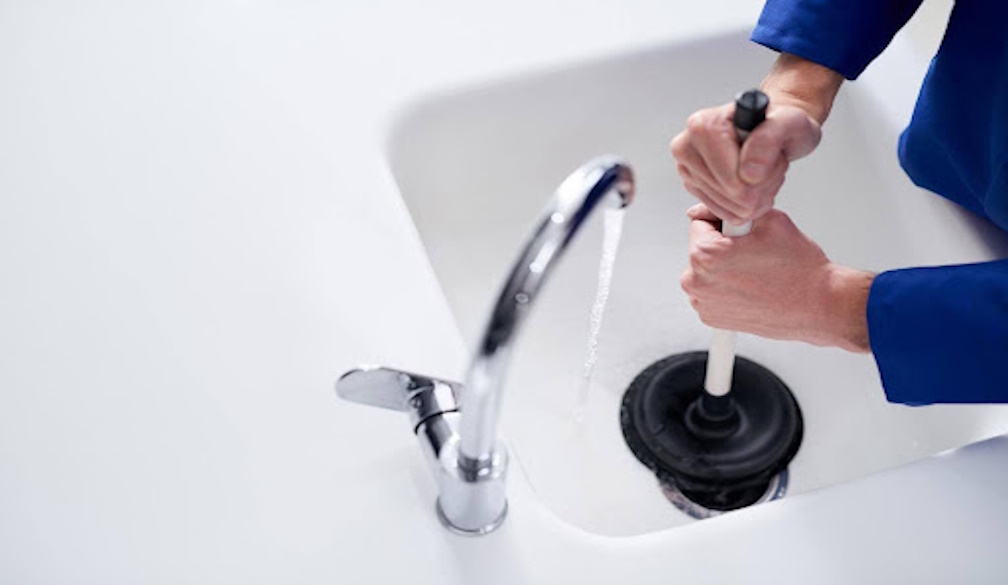
Bathroom mould is not just a cosmetic annoyance. In many Burleigh Heads homes, it is a sign that moisture is hanging around longer than it should. That extra moisture can come from everyday shower steam, poor ventilation, or hidden plumbing problems that keep surfaces damp behind the scenes.
Because bathrooms combine warm air, water, and enclosed spaces, mould can establish itself quickly and keep returning unless the underlying moisture source is properly controlled.
A Burleigh Heads plumber will often approach bathroom mould prevention by focusing on what feeds mould in the first place. Persistent moisture. That means looking beyond what you can see on tiles and grout, and checking whether leaks, drainage faults, or condensation issues are quietly keeping the bathroom wet enough for mould to thrive.
Why Bathroom Mould Is So Common in Burleigh Heads Homes
Coastal humidity and daily moisture load
Burleigh Heads has a coastal climate, and bathrooms can struggle to dry out when the air is already humid. After showers, moisture lingers in the air and settles on ceilings, walls, mirrors, and around fittings.
If that humidity is not removed quickly, it creates the perfect environment for mould spores to grow, especially in corners, behind doors, and along silicone lines where water regularly collects.
Bathrooms trap damp air without strong airflow
Many bathrooms are small, have minimal windows, or rely on an exhaust fan that is underpowered, poorly ducted, or rarely used long enough. When moist air cannot escape, it condenses on cooler surfaces like painted ceilings, tiled walls, and metal fixtures.
Over time, this repeated dampness breaks down paint films and sealants, giving mould more places to take hold and making it harder to fully clean away.
The Health Risks Associated With Bathroom Mould
How mould affects indoor air quality
Mould releases tiny spores into the air, and bathrooms can become a consistent source of these particles if mould is repeatedly disturbed or allowed to spread. When a bathroom is damp, mould can also grow in less visible places such as behind a vanity, in a ceiling cavity, or around a shower recess.
The result is often a bathroom that smells musty even after cleaning, because spores and moisture are still present.
Why some people feel the effects more strongly
People with asthma, allergies, eczema, or sensitive airways can find damp environments irritating. Even without a diagnosed condition, living with ongoing mould exposure can lead to symptoms like sneezing, throat irritation, coughing, and that “stuffy” feeling that seems to linger indoors.
For families, keeping bathrooms dry is not just about presentation. It is part of maintaining a healthier home environment.
How Hidden Plumbing Leaks Contribute to Bathroom Mould
Slow leaks behind walls and under vanities
A common reason mould keeps returning is a small leak that never gets noticed. A dripping flexi hose under the vanity, a weeping pipe joint behind a wall, or a slow leak at the base of a toilet can release enough moisture to keep nearby materials damp for weeks.
This moisture is often absorbed by cabinetry, plasterboard, and flooring, and mould can then grow where cleaning products never reach.
Shower, bath, and waterproofing weak points
Not all bathroom moisture comes from plumbing, but plumbing and water containment are closely linked. If water is escaping past worn silicone, cracked grout, or poorly sealed fixtures, it can move behind tiles or into wall linings.
Even a small pathway for water to travel can keep structural materials damp and encourage mould growth in hidden spaces, then reappear along edges and corners as dark spotting that seems to “come back overnight.”
Early Signs of Mould Caused by Plumbing Issues
When mould returns quickly after cleaning
If you remove mould and it reappears within a short period, it usually means the bathroom is still staying wet. Mould prevention starts with drying. If drying is not happening, a leak, drainage issue, or ventilation shortfall may be keeping humidity high or feeding moisture into building materials.
Subtle clues that point to a moisture source
Look for persistent musty smells, paint that bubbles or flakes near wet areas, swollen skirting or vanity panels, or tiles that feel loose or sound hollow. Another sign is recurring dampness in the same spot, such as the corner of the shower, the base of the vanity, or behind the toilet.
These patterns can help a plumber narrow down whether the issue is likely to be a leak, a drainage fault, or moisture trapped by poor airflow.
Burleigh Heads Plumber Tips to Prevent Bathroom Mould
Fix leaks early, even if they seem minor
One of the most effective mould prevention steps is simply addressing leaks as soon as they are noticed. A dripping tap, a slow shower leak, or a loose fitting might seem small, but it adds constant moisture to the room and increases humidity.
Leaks also create wet surfaces for longer periods, especially around grout lines and silicone joints, which are common mould hotspots.
From a plumber’s perspective, preventing mould often starts with checking the usual suspects. Tap bases, shower mixer connections, vanity hoses, toilet cistern fittings, and the seals around baths and shower trays.
Tightening or replacing a faulty component early can prevent weeks of moisture exposure that would otherwise keep mould returning.
Improve drainage so water does not sit and evaporate
Standing water is an easy mould trigger because it keeps surfaces damp long after a shower ends. Slow floor wastes, partially blocked shower drains, or poorly graded floors can create puddles that never fully dry.
A plumber can clear obstructions, check trap condition, and identify whether the drainage layout is contributing to slow flow or lingering water.
It also helps to keep an eye on habits that overload bathroom drains, such as excessive hair in the shower, thick soaps that leave residue, or objects that partially block grates.
Keeping drains flowing freely reduces pooling and shortens drying time, which is one of the simplest ways to reduce mould risk.
The Role of Ventilation in Bathroom Mould Prevention
Exhaust fans matter more than most people realise
Ventilation is the bridge between daily showers and a bathroom that dries. An exhaust fan should remove moist air quickly, not just make noise. If your bathroom mirror stays fogged for ages, the ceiling stays damp, or the room feels humid long after use, the fan may be undersized, clogged with dust, incorrectly vented, or simply not used for long enough.
A practical rule is to run the fan during showers and for a decent period afterward so the room can fully clear. If the fan vents into a roof cavity instead of outdoors, moisture can build up overhead and create problems elsewhere.
While electricians typically handle fan installation, plumbers often spot ventilation patterns when investigating mould or leak concerns and can advise when airflow improvements are likely to be part of the fix.
Managing condensation around pipes and fittings
Bathrooms can also suffer from condensation on cold water pipes, metal fixtures, and even toilet cisterns. This is especially noticeable when warm, humid air meets cooler surfaces. Insulating certain pipe runs, reducing overall humidity, and improving airflow can reduce the “constant damp” feeling that allows mould to persist on ceilings and corners.
Common Plumbing Faults That Encourage Mould Growth
Blocked drains and slow waste lines
Slow drainage increases the time water stays in the shower base, floor waste, or vanity basin. That extra time allows moisture to evaporate into the room, keeping humidity high. Slow drains also tend to build up biofilm, which can contribute to unpleasant odours and create a less hygienic environment overall.
Ageing fixtures and worn seals
Older taps, shower heads, and toilet fittings are more likely to leak at seals, washers, and connection points. Even if the leak is not dramatic, moisture can travel into gaps around fixtures and settle in places that stay dark and warm.
Exactly what mould likes. Replacing worn components can be a simple upgrade that improves both moisture control and water efficiency.
Why DIY Mould Removal Often Misses the Root Cause
Cleaning without moisture control leads to repeat problems
Most mould sprays focus on surface removal, and they can work well for minor issues. The problem is that mould does not grow because a bathroom is dirty. It grows because a bathroom is wet. If the room is still damp due to leaks, poor drainage, or poor airflow, mould will return no matter how thoroughly you scrub.
A plumber’s role is not to treat mould directly, but to remove plumbing-related moisture sources that keep it coming back. Once those sources are fixed, cleaning becomes far more effective because surfaces can dry properly between uses.
When to Call a Burleigh Heads Plumber for Mould Issues
Persistent mould usually indicates a hidden problem
If you are regularly cleaning the same spots, dealing with musty odours, or noticing dampness that does not match your shower habits, it is worth checking for leaks. This is especially important if mould appears near the base of the vanity, around the toilet, at wall corners, or along skirting. These areas can point to hidden water escape rather than normal steam.
Water damage signs should be treated as urgent
Soft flooring near the shower, swollen cabinetry, loose tiles, or staining that spreads can indicate ongoing moisture exposure. The sooner you address the plumbing side, the more likely you are to avoid bigger repairs like wall replacement, subfloor damage, or widespread mould remediation.
Long-Term Bathroom Mould Prevention Strategies
Make plumbing checks part of routine home maintenance
Bathrooms do not need constant work, but they do benefit from occasional inspections. Checking under the vanity for moisture, watching for slow drains, and keeping an eye on seals and fittings helps catch issues early.
Preventative plumbing maintenance is often cheaper than the repairs that follow long-term water exposure.
Upgrade where it improves drying and reliability
Simple upgrades can make a big difference. Replacing old seals, updating worn fixtures, improving drainage performance, and addressing recurring leaks all reduce the moisture load inside the room.
Combined with consistent ventilation and good drying habits, these changes help turn bathroom mould prevention into a long-term outcome rather than a constant cleaning cycle.
If you want, paste the business name you are writing this for. I can lightly tailor the language so it still reads neutral and helpful, but matches the services you actually offer, like leak detection, bathroom plumbing, drain clearing, and fixture replacements.