What a Building Inspector Actually Checks in a Brisbane Home
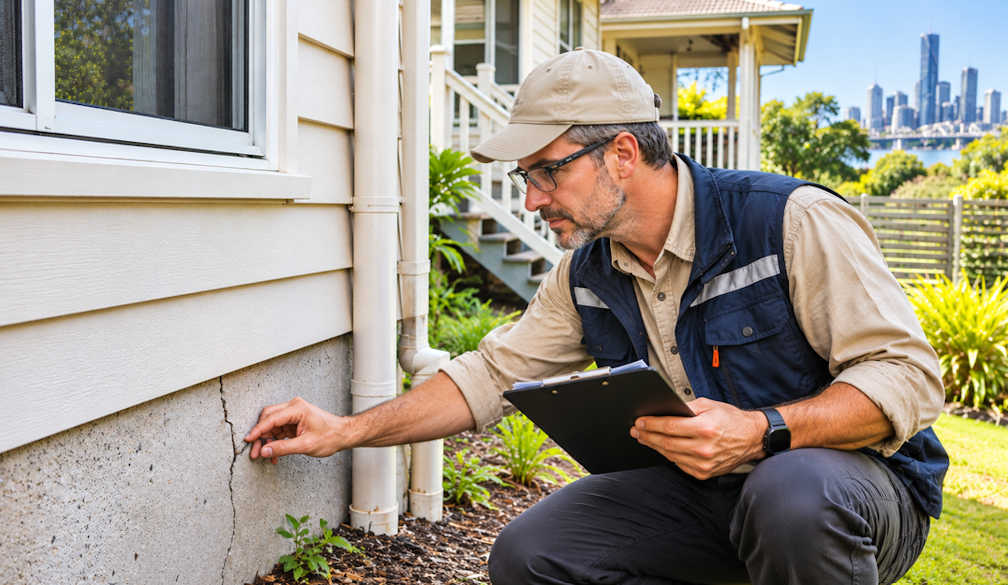
Most buyers walk through a Brisbane property two or three times before they sign. That's not long to judge a house that may have stood through decades of summer storms and termite seasons. Fresh paint and nicely styled rooms can hide a lot.
That's where a building inspection comes in. But plenty of buyers aren't sure what an inspector actually looks at, or where their job stops. Knowing both helps you read the report properly and ask better questions before you commit.
Here's what a licensed inspector checks in a typical Brisbane home, what sits outside a standard inspection, and the local issues that keep turning up.
It starts with the Australian Standard
In Queensland, pre-purchase building inspections are carried out to Australian Standard AS 4349.1. It's a visual, non-invasive inspection of the accessible parts of the property. The inspector reports on the building's condition on the day, not on how long it'll last.
"Accessible" is the key word. If the inspector can safely reach and see it, it's checked. If it's behind a wall, under fixed flooring, or blocked by stored furniture, it's usually listed as a limitation in the report.
Inside the home
Inspectors work room by room, looking for signs of defects and movement:
- Walls and ceilings: cracking, sagging, water stains and patched areas
- Floors: uneven or springy sections, lifting tiles and damaged boards
- Doors and windows: sticking, poor alignment, broken glass or hardware
- Wet areas: failed waterproofing, drummy or loose tiles, cracked grout and leaks under vanities
- Moisture concerns: Inspectors may use moisture meters to identify elevated moisture readings in accessible building materials. Some also use thermal imaging to investigate suspected moisture problems.
Bathrooms deserve extra attention. Waterproofing failures are common in older Brisbane homes and in rushed renovations, and they're rarely cheap to fix.
The roof, inside and out
The roof void tells an inspector a lot. They'll check the framing for sagging or damage, look for water stains and old leaks, and note the condition of insulation and sarking.
Outside, where it's safe to access, they look at:
- Broken, cracked or slipped tiles
- Rusted or lifting metal sheeting and loose screws
- Damaged flashings around skylights, vents and chimneys
- Gutters and downpipes that are rusted, sagging or overflowing
After a big storm season, the roof is often where problems show first. Brisbane's summer hail and heavy downpours find every weak point.
Under the house and around the site
The subfloor is critical, especially in timber homes. Inspectors check stumps, bearers and joists for rot, movement and damage, and look at ventilation and moisture levels underneath.
Queenslanders need a careful look here. Many have been restumped over the years, some well and some not. High-set homes that have been built in underneath also deserve a closer check.
Around the property, the inspector looks at external cladding, eaves, stairs, balustrades, decks and retaining walls. They'll also note drainage and how the site falls, which matters on the sloping blocks common in suburbs like Paddington, Red Hill and The Gap.
What a building inspector can't check
This is the part many buyers miss. A standard building inspection has clear limits:
- Concealed areas: inside wall cavities, under fixed floor coverings and behind built-in cabinetry
- Electrical and plumbing compliance: visible problems get noted, but only a licensed electrician or plumber can test these systems properly
- Termites: a building inspection isn't a timber pest inspection, which is covered by a separate standard, AS 4349.3
- Asbestos: an inspector may flag materials that could contain asbestos in older homes, but only lab testing can confirm it
- Pool safety: Queensland has its own pool safety certificate system for properties with a regulated pool
- Approvals: whether an extension or a built-in downstairs area was council approved needs separate searches
- Strata common property: for units and townhouses, a strata report covers the body corporate's records and finances
Most Brisbane buyers combine the building inspection with a timber pest inspection. In our subtropical climate, skipping the pest side is a real risk.
Brisbane issues that come up again and again
Every city has its patterns. In Brisbane, these show up in reports all the time:
- Termite-friendly conditions: timber touching soil, garden beds built up against walls and leaking taps near the slab
- Poor drainage: water pooling against footings after heavy rain, often on sloping or low-lying blocks
- Storm wear: damaged roofing, overflowing gutters and failed flashings
- Ageing timber: rot in stumps, decks and stairs in older Queenslanders and post-war homes
One more thing a building inspection won't assess is flood risk. Check Brisbane City Council's Flood Awareness Map for the property before you buy.
How to get the most from your inspection
A few simple steps make the report far more useful:
- Book early. Arrange your inspection before signing, or promptly after signing if your contract is subject to a building and pest inspection condition. Make sure you receive the report before the condition's deadline.
- Ask for full access. Let the agent know the inspector will need the roof space, subfloor, garage, and any locked sheds.
- Be there at the end. Most inspectors are happy to walk you through what they found and answer questions on site.
- Read the limitations. A report with lots of inaccessible areas has checked less of the home.
- Check the licence and independence. You can look up any Queensland builder or inspector on the QBCC licence search, and the inspector should work for you, not the agent.
If you'd like to understand what a thorough inspection report covers, consulting an independent building inspector Brisbane property buyers can rely on is a useful starting point. You can also request a sample report before booking to see how findings and limitations are presented.
FAQs
How long does a building inspection take?
Most take one to two hours. Larger homes, two-storey houses and properties with tricky access can take longer.
Do I need an inspection on a brand-new home?
Yes. New builds can still have defects and incomplete work. A handover inspection before you accept the keys gives you a list to take back to the builder.
Will the inspector tell me whether to buy?
No. Properties don't pass or fail. The inspector reports on condition, and you decide what it means for your price and plans.
Can I use the report to negotiate?
Often, yes. Major defects and costly repairs give you solid grounds to talk price with the seller before settlement.