The Different Types of Perfectionism: Self-Oriented, Socially Prescribed, and Other-Oriented
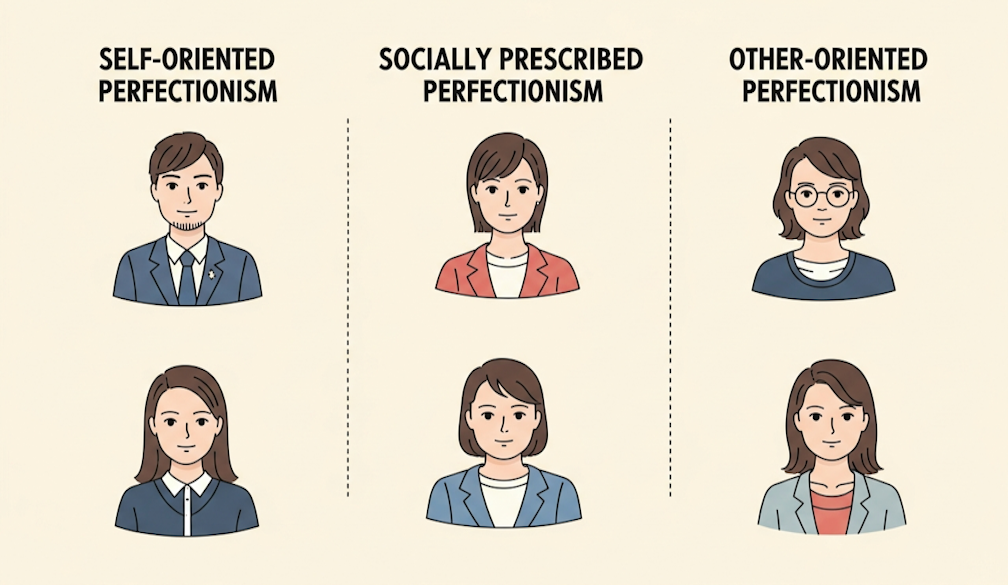
Perfectionism is often talked about as if it’s a single trait, but the truth is far more nuanced. Understanding the different types of perfectionism can empower people to recognise their patterns, challenge unhelpful habits, and build healthier expectations for themselves and others. If you’ve ever wondered what is perfectionism and how it actually shows up in day-to-day life, exploring the three major forms—self-oriented, socially prescribed, and other-oriented—is a great place to start.
Each type has its own unique drivers, stressors, and outcomes. Some can be motivating and help people strive for excellence, while others can lead to pressure, burnout, and strained relationships. The key lies in awareness and balance.
Self-Oriented Perfectionism
Self-oriented perfectionism involves setting exceptionally high standards for yourself and holding a strong internal desire to meet them. This type can be both productive and exhausting. Many people with self-oriented perfectionism are highly motivated, reliable, and driven—but they can also be self-critical when they feel they’ve fallen short.
Common traits of self-oriented perfectionism:
- A constant push to achieve the highest personal standards
- Intense self-monitoring and internal pressure
- Difficulty accepting mistakes or imperfections
- Strong feelings of guilt or disappointment when goals aren’t met
People who lean towards this style often pride themselves on being disciplined and organised, but the flip side is that they may struggle to relax, delegate tasks, or celebrate wins. Over time, this can contribute to stress, anxiety, or feelings of being “never good enough.”
Socially Prescribed Perfectionism
Socially prescribed perfectionism is driven by the belief that others—such as employers, peers, partners, or society as a whole—expect you to be flawless. It’s less about your internal standards and more about an overwhelming sense of external pressure.
Signs of socially prescribed perfectionism include:
- Feeling judged or evaluated constantly
- Worrying about disappointing others
- Believing love or acceptance is conditional on achievement
- Feeling that mistakes will lead to rejection or criticism
This type is often linked with higher levels of stress, anxiety, and low self-esteem, because the expectations feel imposed rather than chosen. When people believe that their worth depends on performance, even small errors can feel catastrophic.
Other-Oriented Perfectionism
Other-oriented perfectionism involves placing unrealistic expectations on the people around you—friends, colleagues, employees, or family members. Instead of directing high standards inward, this form of perfectionism focuses outward.
Typical characteristics include:
- Criticising others for not meeting expectations
- Becoming frustrated when people don’t do things “properly”
- Struggling to tolerate different approaches or work styles
- Expecting others to match your pace, priorities, or abilities
While this type is less commonly discussed, it can have a significant impact on relationships. People with other-oriented perfectionism often believe they’re helping others improve, but their expectations can come across as controlling or harsh, leading to tension or conflict.
Why Understanding the Differences Matters
These three forms of perfectionism share similarities—namely, rigid standards and a fear of imperfections—but their motivations and impacts differ. By identifying which type resonates most with your experiences, it becomes easier to:
- Recognise unhelpful thinking patterns
- Develop more self-compassion
- Build healthier relationships
- Reduce stress and pressure
- Create realistic, flexible goals
No form of perfectionism is inherently “bad,” but when it becomes rigid or overwhelming, it can limit wellbeing. Awareness is the first step towards change.
Moving Toward Healthier Standards
Perfectionism doesn’t have to be a lifelong struggle. Many people find it helpful to work with a mental health professional who can support them in reframing expectations, reducing self-criticism, and building more balanced beliefs about success and achievement.
Understanding the type of perfectionism you’re experiencing can be a powerful starting point. With insight and the right tools, it’s absolutely possible to strive for excellence without sacrificing wellbeing, relationships, or joy in the process.