Selecting Steel Plate for Industrial and Fabrication Projects
Start with the job requirements
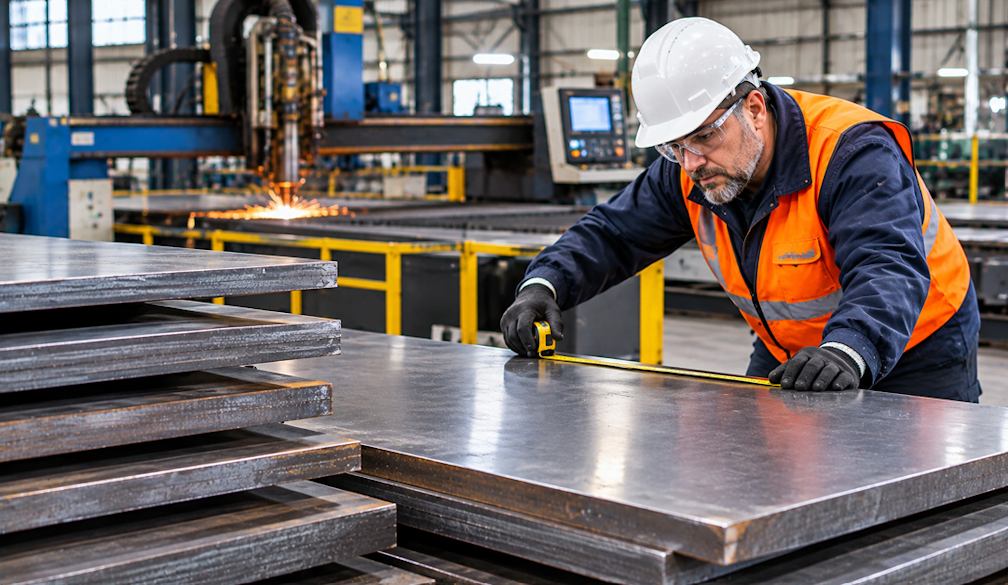
A successful fabrication project starts with material that suits the work it must perform. Choosing steel plate involves more than selecting a thickness from a stock list. Designers and procurement teams need to consider the load the component will carry, the environment it will face, the processes required to manufacture it and the tolerances the finished part must meet. Establishing these requirements early helps avoid choosing a material that is difficult to process or unsuitable for the intended service.
When assessing steel plate, define the part’s purpose, expected forces, exposure to moisture or chemicals, and any relevant design or material specifications. A component exposed to impact or abrasion may need a different grade from a general fabrication part. Thickness, flatness, cut profile and surface condition can also affect downstream work. Australian Steel supplies a range of plate grades and provides cutting and post-cutting services, so material selection can be considered alongside the processing required.
Understand grade, thickness and properties
Steel grades are not interchangeable simply because the plates look similar. Their composition and mechanical properties influence strength, hardness, toughness, weldability and machining behaviour. The right choice depends on the application and the requirements set by the engineer or fabricator. Where a drawing specifies a grade or standard, use that specification as the starting point rather than substituting a material based only on availability.
Thickness is another important decision. A thicker plate may provide the section required for a high-load application, but it can also increase weight and affect cutting, handling and machining time. Conversely, a thinner plate may reduce mass but may not meet the stiffness or durability requirements of the part. When comparing steel plate options, check the grade and thickness together, and confirm that the supplier can provide the dimensions and documentation required for the job. Choosing the right steel plate also means checking that the grade, thickness and finishing plan suit the component.
Plan cutting and finishing before ordering
Material procurement and processing are closely connected. If parts need to be cut to complex profiles, drilled, bevelled, folded or machined, it is useful to discuss those operations before the order is finalised. The selected process can influence edge quality, heat input, dimensional tolerances and the amount of finishing required. Providing clear drawings and noting critical dimensions gives the processing team a better basis for planning the work.
Australian Steel offers a range of plate-processing services, including profile cutting, high-definition plasma cutting, oxy cutting, NC drilling, wash grinding and stress relieving. Not every job needs every operation, so it helps to identify the essential requirements and distinguish them from optional finishing. For example, a part that will be welded may need a bevelled edge, while a machined component may require additional attention to surface condition or stress management. Discussing these needs early can reduce avoidable handling and rework.
Consider traceability and project documentation
Industrial projects may require material records to confirm that the supplied product matches the specified grade and order. Before purchasing, establish whether mill certificates, certificates of conformance, inspection records or testing are required. These requirements can vary by application, customer specification and project quality system, so they should be confirmed rather than assumed.
Keep the material description consistent across purchase orders, drawings and job records. Include the grade, thickness, dimensions, quantity and any special processing requirements. If a project requires traceability, ask the supplier what documentation is available and how it will be associated with the delivered material. Clear records make it easier for the workshop and quality team to verify that the material received is the material intended for the job.
Account for handling, delivery and workflow
Plate size and weight affect storage, lifting, transport and workshop layout. Before ordering, confirm that the site has suitable equipment and space to unload and store the material safely. For large or heavy profiles, consider how the parts will move from receiving to cutting, fabrication and final assembly. Planning these steps helps prevent delays caused by inaccessible stock or unsuitable handling arrangements.
Lead time should also be considered alongside the purchase price. A material that appears economical may create extra costs if it requires special sourcing, additional processing or multiple deliveries. Ask about stock availability, cutting schedules and delivery arrangements before committing to a production date. Australian Steel’s Braeside facility supplies plate products and processing services to customers in Victoria and other parts of Australia; the specific availability and timing for a job should be confirmed with the team.
Work with a supplier on the full requirement
A good purchasing decision brings together material performance, manufacturability, documentation and delivery. Prepare the technical specification before requesting a quote, provide drawings where relevant, and identify any tolerances or finishing requirements that could affect the finished component. If the application is unusual, ask for clarification before making substitutions or changing the grade.
For businesses sourcing steel plate, Australian Steel can discuss available grades and the processing options that may suit the job. Reviewing material and processing needs together can make procurement more straightforward and help the finished parts arrive in a form that suits the next stage of production. Confirm the specification, dimensions, documentation and delivery requirements before placing the order.