Understanding the Role of Hydraulic Systems in Modern Industrial Applications
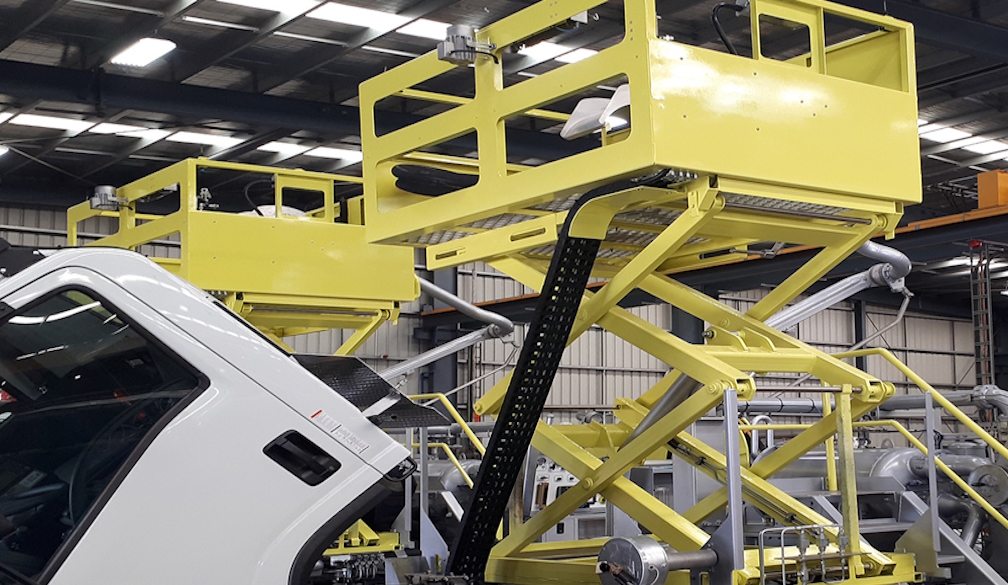
Industrial machinery, manufacturing systems, and heavy equipment rely on powerful mechanisms to move, lift, and control loads efficiently. Among the most widely used technologies in these environments are fluid power systems that use pressurised liquids to transmit force and motion. One of the most essential technologies used in these applications is hydraulic power, which enables machines to perform demanding tasks with high precision and reliability.
Hydraulic systems are used across a wide range of industries including construction, mining, manufacturing, agriculture, transportation, and energy production. Their ability to generate strong force while maintaining precise control makes them ideal for operating heavy machinery and automated equipment.
Understanding the Basic Principles of Hydraulic Systems
Hydraulic systems operate based on the principle that liquids are nearly incompressible and can transmit pressure effectively through a closed system. When pressure is applied to hydraulic fluid in one part of the system, the force is transmitted through the fluid to other components.
This principle allows hydraulic systems to multiply force and perform heavy work with relatively small input energy.
A typical hydraulic system consists of several key components including a pump, hydraulic fluid reservoir, valves, actuators, and pipelines that connect the system.
Each component works together to create controlled motion and force within the system.
Key Components of Hydraulic Systems
Hydraulic systems include multiple components that allow them to operate efficiently. The hydraulic pump is responsible for generating pressure by moving fluid through the system.
The hydraulic fluid serves as the medium that transfers energy between components. This fluid must be carefully selected to ensure proper lubrication and temperature control.
Valves regulate the flow and direction of hydraulic fluid, allowing operators or automated systems to control machine movement.
Actuators, such as hydraulic cylinders or motors, convert hydraulic energy into mechanical motion that performs the required work.
Together, these components allow hydraulic systems to operate smoothly and reliably.
Applications in Construction and Heavy Machinery
One of the most common uses of hydraulic systems is in construction equipment such as excavators, cranes, loaders, and bulldozers.
These machines require significant force to lift heavy loads, dig into the ground, or move large materials. Hydraulic power allows these tasks to be performed efficiently while maintaining precise control over machine movement.
For example, hydraulic cylinders enable excavator arms to lift and move heavy materials with minimal effort from the operator.
Hydraulic systems also allow construction equipment to operate smoothly even under demanding working conditions.
Use in Industrial Manufacturing
Manufacturing facilities rely on hydraulic systems to power equipment such as presses, injection moulding machines, and automated production systems.
Hydraulic presses use fluid pressure to shape metal, plastics, or other materials during manufacturing processes.
These systems provide consistent force and accuracy, which is essential for producing high-quality products.
Hydraulic technology also supports automated production lines by powering lifting equipment, conveyors, and robotic systems.
The reliability of hydraulic systems helps ensure that manufacturing operations remain efficient and consistent.
Advantages of Hydraulic Technology
Hydraulic systems offer several advantages compared to other mechanical or electrical power transmission methods. One of the most significant advantages is the ability to generate large amounts of force from relatively compact equipment.
Hydraulic systems also provide smooth and precise control over machine movement, which is important in applications requiring accuracy.
Another advantage is the durability of hydraulic components, which are designed to operate under heavy loads and harsh conditions.
Because hydraulic fluid also lubricates system components, it helps reduce wear and extend equipment lifespan.
These benefits make hydraulic technology a preferred choice for many industrial applications.
Maintenance and System Reliability
Although hydraulic systems are durable, regular maintenance is necessary to ensure long-term performance. Operators must monitor hydraulic fluid levels, inspect hoses and fittings, and check system pressure regularly.
Contaminated or degraded hydraulic fluid can reduce system efficiency and cause damage to components.
Routine maintenance also includes replacing filters and inspecting seals to prevent leaks.
Proper maintenance practices help ensure that hydraulic systems continue operating safely and efficiently.
Maintaining system reliability reduces downtime and improves overall productivity.
Role in Automation and Smart Industrial Systems
Hydraulic technology continues to evolve as industries adopt advanced automation systems. Modern hydraulic systems can be integrated with sensors, controllers, and monitoring devices that allow real-time performance tracking.
These systems help operators monitor pressure levels, temperature, and fluid flow within the hydraulic network.
Automated control systems can adjust hydraulic operations based on sensor data, improving efficiency and reducing energy consumption.
This integration allows hydraulic systems to function as part of larger smart industrial infrastructures.
Safety Considerations in Hydraulic Operations
Hydraulic systems operate under high pressure, which means proper safety procedures must be followed to prevent accidents.
Operators must ensure that hoses, valves, and connectors are properly maintained and free from damage.
Regular inspection helps identify potential leaks or weak points that could cause system failure.
Safety valves and pressure relief systems are often installed to prevent excessive pressure buildup within the system.
By following proper safety practices, industries can operate hydraulic equipment safely and efficiently.
Supporting Industrial Productivity
Hydraulic systems remain a vital technology in modern industry because they provide reliable power for demanding tasks. Their ability to generate high force, operate efficiently, and integrate with automated control systems makes them essential for many industrial processes.
From construction machinery to manufacturing equipment, hydraulic technology continues to support productivity and innovation across numerous industries.
As industries continue to advance, hydraulic systems will remain an important part of industrial infrastructure, enabling machines to perform powerful and precise operations with efficiency and reliability.