Understanding Trenchless Pipe Repairs for Blocked Drains
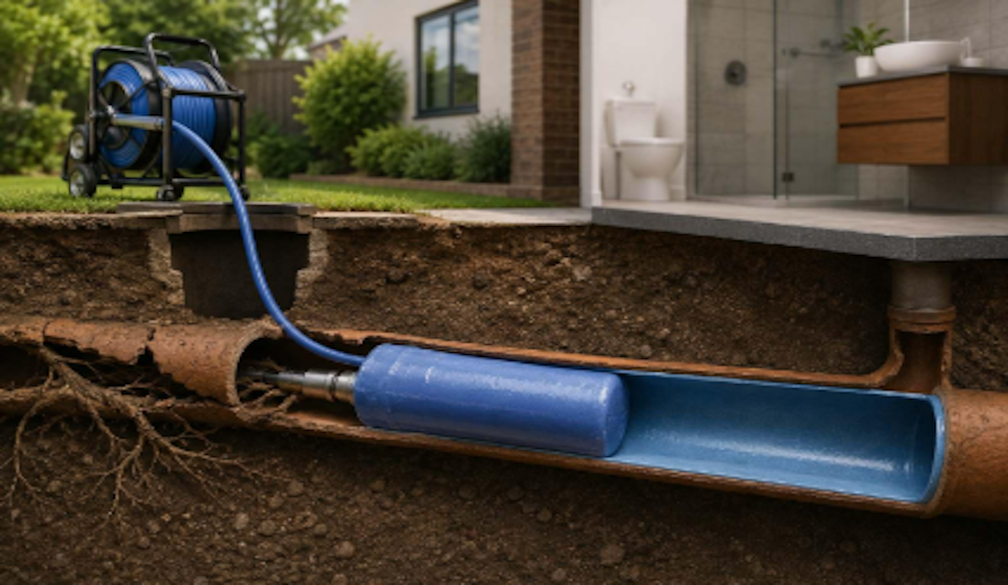
Blocked drains can become more than a minor inconvenience when the underlying pipework has become cracked, displaced, invaded by tree roots, or starting to collapse in. In Canberra, where many residential and commercial properties feature established landscaping with older trees, aging drainage infrastructure, and varied ground conditions, repeated blockages may indicate a much deeper structural issue.
Traditional pipe repair often involved digging up driveways, gardens, paved areas, or sections of lawn to reach the damaged pipe. While excavation is still necessary in some cases, trenchless pipe repair has become an important alternative for many blocked drain problems.
Trenchless repair methods are designed to restore damaged underground pipes with minimal digging. Instead of removing large sections of ground, plumbers use specialised equipment to inspect, clean, line, or replace pipes through existing access points. For property owners comparing repair options or searching for local plumbers Canberra residents can rely on, understanding how trenchless technology works can help them choose a practical, long-term solution rather than repeatedly clearing the same blockage.
What Trenchless Pipe Repairs Mean for Blocked Drains in Canberra
How trenchless pipe repair works without major excavation
Trenchless pipe repair refers to a group of methods used to repair underground drainage pipes without open trench digging along the full length of the damaged section. The most common approach is pipe relining, where a resin-coated liner is inserted into the existing pipe and cured in place. Once hardened, the liner forms a strong new pipe wall inside the old one. This can seal cracks, bridge small gaps, cover joints, and restore the internal flow path.
The process typically starts with a detailed CCTV drain camera inspection. This allows plumbers to see inside the pipe and identify the exact cause of the blockage. If the pipe is suitable for trenchless repair, the drain is cleaned with a high-pressure water jet or other equipment before the liner is installed. The result is a repaired pipe with improved structural integrity and fewer internal defects where waste, debris, or roots can catch.
Why blocked drains in Canberra often need more than basic drain clearing
A single blocked drain may be caused by everyday build-up, such as grease, soap residue, hair, leaves, or flushed debris. In those cases, clearing the drain may be enough. However, repeated blockages in the same line often indicate a larger issue. Cracks, root entry points, sagging sections, and offset joints can all cause waste to slow down and collect.
In established Canberra suburbs, tree roots are a common contributor to blocked drains. Roots are naturally drawn to moisture and can enter small openings in pipe joints or damaged sections. Once inside, they continue to grow and trap waste. Clearing the blockage may restore flow temporarily, but if the root entry point remains open, the problem usually returns. This is where trenchless pipe repairs can offer a more complete solution.
Common Causes of Blocked Drains in Canberra Homes and Businesses
Tree root intrusion in ageing underground pipes
Tree roots are one of the most frequent causes of recurring blocked drains. Older clay, concrete, or earthenware pipes are particularly vulnerable because their joints can weaken over time. Even small cracks can allow fine roots to enter. As roots expand, they create dense masses inside the pipe, reducing flow and catching toilet paper, food particles, and other waste.
In suburbs with mature trees and established gardens, this issue can be especially common. Removing roots from inside the pipe may provide temporary relief, but the structural weakness that allowed the roots in may still be present. Trenchless pipe relining can help by sealing the damaged section and creating a continuous internal barrier against future root intrusion.
Grease, debris, and sediment build-up inside drain lines
Not every blocked drain is caused by structural damage. Kitchen drains can become restricted when fats, oils, and grease cool and harden inside the pipe. Bathroom drains often collect hair, soap residue, and personal care products. Outdoor drains may gather leaves, silt, soil, and other debris after rain or garden maintenance.
When build-up occurs inside a pipe that is already cracked, rough, or misaligned, blockages are more likely to form. A smooth pipe interior is important for consistent flow. If a drain continues to block after professional cleaning, Local Plumbers Canberra searches often lead property owners to services that can inspect whether the pipe itself needs repair rather than repeated clearing.
Cracked, collapsed, or misaligned pipes causing recurring blockages
Cracked and misaligned pipes can actually interrupt the natural movement of the wastewater. Even a small offset at a pipe joint can create a ledge where solids catch and accumulate. A partially collapsed pipe can restrict flow to the point where blockages become frequent. These problems are often hidden underground, which is why CCTV inspection is so valuable.
Trenchless repair may be suitable where the pipe still has enough shape and stability to support a liner. However, if the pipe has fully collapsed or lost its original form, excavation or another replacement method may be required. The correct solution depends on the pipe material, condition, access points, and extent of damage.
When Trenchless Pipe Repairs Are Suitable for Blocked Drains
Signs a blocked drain may need structural pipe repair
A blocked drain may need more than routine clearing if the same problem keeps returning, multiple fixtures are draining slowly, gurgling sounds are heard from toilets or sinks, or unpleasant odours are coming from drains. Outdoor warning signs can include soggy patches, sunken ground, or wastewater pooling near inspection openings.
These symptoms do not always confirm pipe damage, but they do suggest that a closer inspection is needed. A CCTV camera survey can show whether the blockage is caused by roots, a broken pipe, a displaced joint, scale build-up, or foreign material. Without an accurate diagnosis, it is easy to treat the symptom while missing the cause.
When pipe relining is a practical trenchless repair option
Pipe relining is often suitable when the existing pipe is cracked, leaking, affected by roots, or has damaged joints, but has not completely collapsed. The liner needs a pathway through the existing pipe, so the drain must be thoroughly cleaned and assessed before installation. Once cured, the liner forms a durable internal surface that improves flow and helps prevent future root penetration.
For many properties, relining is appealing because it reduces the need to disturb finished surfaces. Driveways, courtyards, garden beds, footpaths, and landscaped areas can be expensive to excavate and reinstate. Trenchless repairs can avoid much of this disruption while still addressing the structural problem.
Situations where trenchless drain repairs may not be suitable
Trenchless technology is not appropriate for every blocked drain. If a pipe is severely collapsed, badly deformed, backfalling, or incorrectly graded, relining may not solve the issue. Pipes with major sections missing or lines that require redesigned drainage falls may need excavation and replacement.
This is why a reputable assessment is essential. The best outcome usually comes from matching the repair method to the actual condition of the pipe, rather than choosing trenchless repair simply because it is less invasive.
Key Benefits of Trenchless Pipe Repairs for Blocked Drains in Canberra
Less disruption to driveways, gardens, paths, and landscaped areas
One of the main advantages of trenchless pipe repairs is reduced disturbance to the property. Traditional excavation can require digging through lawns, paving, concrete, retaining areas, or garden beds. In some cases, access may be difficult due to buildings, fences, utilities, or established trees.
Trenchless methods often use existing access points, such as inspection openings, maintenance shafts, or drain entries. This can make the repair process cleaner, less invasive, and more practical for occupied homes and operating businesses.
Faster repair times compared with open excavation
Because trenchless repairs reduce digging and reinstatement work, they can often be completed faster than conventional replacement. The exact timeframe depends on the length of the pipe, the severity of the blockage, the cleaning requirements, the curing method, and the site access. However, avoiding extensive excavation can significantly reduce the overall disruption.
For businesses, shorter repair times may help minimise interruptions to staff, customers, and operations. For homeowners, it can mean fewer days dealing with restricted drainage, open trenches, or damaged outdoor areas.
Long-term protection against recurring blocked drains
When a blockage is caused by a structural defect, clearing alone is usually a temporary fix. Trenchless pipe relining addresses the damaged pipe wall and can reduce the likelihood of roots, debris, and solids catching in the same location. The smooth internal surface also supports better wastewater flow.
This long-term benefit is one reason many property owners researching Local Plumbers Canberra are interested in whether trenchless solutions are available. A repair that targets the cause of recurring blockages can be more practical than arranging repeated emergency drain clearing.
The Trenchless Pipe Repair Process Explained
Drain inspection and CCTV camera assessment
The process usually begins with locating the affected drain and inspecting it with a CCTV camera. The footage helps identify the pipe material, diameter, blockage location, cracks, root intrusion, joint movement, and any sections that may be unsuitable for relining. It also helps determine the length of pipe requiring repair.
Accurate inspection is important because underground drainage problems can be misleading from the surface. Two properties may have similar symptoms but completely different causes. Camera inspection reduces guesswork and supports a more informed repair plan.
High-pressure drain cleaning before trenchless repairs
Before relining, the pipe must be cleaned thoroughly. High-pressure water jetting is commonly used to remove roots, grease, sludge, scale, and loose debris. In some cases, mechanical cutting tools may be needed to clear tougher obstructions. The goal is to prepare the internal pipe surface so the liner can fit properly and bond effectively.
A second camera inspection may be carried out after cleaning to confirm the pipe is ready. This step is important because hidden defects can become clearer once roots and debris are removed.
Installing a pipe liner or structural repair system
During pipe relining, a flexible liner saturated with resin is inserted into the pipe and positioned across the damaged section. It is then expanded against the pipe wall and cured. Curing may occur through ambient conditions, hot water, steam, or UV light, depending on the system used.
Once the liner hardens, it becomes a new internal pipe within the old pipe. The repaired section is then inspected to confirm the liner is correctly placed, smooth, and open for flow. Any branch connections may need to be reopened with specialist cutting equipment.
Comparing Trenchless Drain Repairs with Traditional Excavation
Cost considerations for trenchless pipe repairs in Canberra
The cost of trenchless pipe repair depends on several factors, including pipe length, diameter, access, condition, cleaning requirements, and the chosen repair method. While trenchless relining may appear more expensive than a simple drain clearing service, it is important to compare it with the cost of excavation, pipe replacement, surface reinstatement, and future maintenance.
For properties with concrete, paving, landscaping, or difficult access, avoiding excavation can reduce associated restoration costs. The most cost-effective option is not always the cheapest upfront service, but the repair that properly resolves the issue and limits avoidable disruption.
Property disruption and access challenges
Traditional excavation still has a place, especially when pipes are collapsed, incorrectly graded, or need full replacement. However, excavation can be disruptive when the damaged pipe runs beneath driveways, buildings, established gardens, or public-facing business areas.
Trenchless repair provides an alternative where the pipe condition allows it. For many blocked drains, especially those caused by cracks and root intrusion, relining can deliver a strong repair without turning the property into a worksite.
Repair durability and long-term value
A well-installed trenchless liner can provide long-term structural support and improve the internal condition of the pipe. Durability depends on the quality of materials, preparation, installation, curing, and suitability of the pipe. This is why proper assessment matters. A liner installed in the wrong conditions may not perform as intended.
When completed correctly, trenchless repair can offer strong value by extending the life of existing drainage infrastructure and reducing recurring blockage risks.
What Property Owners Should Consider Before Booking Trenchless Pipe Repairs
The importance of accurate drain diagnosis
Before agreeing to any repair, property owners should understand what has caused the blockage and how the recommended solution addresses it. A CCTV inspection provides evidence of the issue and can help explain why trenchless repair is suitable, or why another method is needed.
It is reasonable to ask what defects were found, where they are located, how much pipe needs repair, and whether the pipe has enough structural integrity for relining. A clear diagnosis helps avoid unnecessary work and supports better decision-making.
Understanding warranties, materials, and repair limitations
Different relining systems may use different materials, curing processes, and warranty conditions. Property owners should understand what section of pipe is being repaired, what the warranty covers, and what maintenance is recommended after the work is complete.
No repair method is a universal fix. Trenchless repairs can be highly effective for many blocked drain problems, but they still need to be selected and installed correctly. Comparing advice from qualified local plumbers in Canberra can help property owners assess whether the proposed repair is practical and proportionate.
Preventing Future Blocked Drains After Trenchless Repairs
Regular drain inspections and maintenance cleaning
After trenchless repair, periodic maintenance can help keep the broader drainage system functioning well. While the repaired section may be protected, other parts of the drain may still be ageing or vulnerable to build-up. Regular inspections are especially useful for properties with large trees, older pipework, or a history of recurring blockages.
Preventive cleaning can also reduce the risk of grease, sediment, and debris accumulating elsewhere in the line. Good maintenance supports the performance of both repaired and unrepaired sections of the drainage system.
Managing tree roots near underground pipe systems
Tree roots can continue to affect sections of pipe that have not been repaired. Property owners should be mindful of large trees near drainage lines and seek advice before planting species with aggressive root systems close to underground services. Where roots have previously caused problems, inspection and maintenance are particularly important.
Trenchless relining can seal repaired sections against root entry, but it does not remove the broader need to manage vegetation and monitor ageing infrastructure.
Avoiding common household causes of blocked drains
Everyday habits can also help prevent blocked drains. Fats, oils, and grease should not be poured down kitchen sinks. Wet wipes, sanitary products, cotton buds, and similar items should not be flushed, even when labelled as flushable. Bathroom drains benefit from strainers that catch hair before it enters the pipework.
These simple measures reduce strain on the drainage system and help preserve the benefits of pipe repairs.
Final Thoughts on Trenchless Pipe Repairs for Blocked Drains in Canberra
Trenchless pipe repair has changed the way many blocked drain problems are managed. Instead of relying only on excavation or repeated clearing, property owners now have access to methods that can restore damaged underground pipes with less disruption. For Canberra homes and businesses affected by tree roots, cracked pipes, and recurring blockages, pipe relining can be a practical and durable solution when site conditions are suitable.
The key is accurate diagnosis. A blocked drain should not automatically be treated as a simple cleaning job if it keeps returning. CCTV inspection, professional assessment, and a clear understanding of repair options all help ensure the chosen method addresses the cause rather than the symptom.
For anyone comparing repair methods or searching for local plumbers in Canberra, trenchless pipe repairs are worth understanding. They may not be right for every drainage issue, but when applied correctly, they can reduce excavation, protect finished surfaces, improve pipe performance, and lower the risk of repeated blocked drains over time.