Commercial Scaffolding Services and the Backbone of Large-Scale Projects
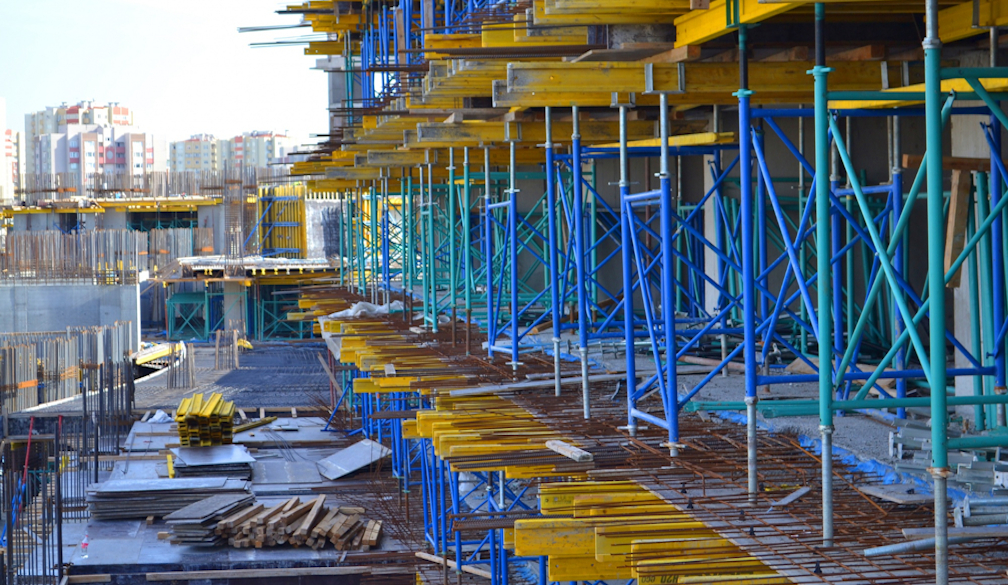
Large construction projects rely on more than concrete and steel to rise safely and efficiently. Commercial scaffolding services form the temporary framework that allows complex work to happen at height, supporting trades, materials, and workflows across multi-level sites. From early structural stages through to façade completion and maintenance, professional scaffolding underpins progress while keeping safety front and centre.
Unlike smaller residential jobs, commercial sites involve higher loads, greater heights, and multiple trades operating simultaneously. Scaffolding in these environments must be engineered with precision, installed methodically, and managed continuously. A well-planned access system does more than provide platforms. It creates order, improves productivity, and reduces risk across the entire site.
Commercial Scaffolding Melbourne and Urban Construction Demands
In dense urban environments, commercial scaffolding Melbourne projects face unique challenges. Tight access, neighbouring buildings, pedestrian traffic, and strict regulations all influence how scaffolding is designed and installed. Each project requires a tailored approach that balances efficiency with compliance, ensuring work can proceed without disrupting surrounding areas.
Melbourne’s commercial construction sector spans office towers, mixed-use developments, hospitals, and educational facilities. These projects often operate under tight schedules and public scrutiny. Scaffolding solutions must therefore be robust, adaptable, and visually controlled, integrating safety features such as screens and overhead protection to safeguard workers and the public below.
The Role of Scaffolding in Commercial Workflows
Scaffolding acts as the connective tissue between different stages of construction. Structural trades rely on it during early phases, while façade installers, electricians, and painters depend on it later. By providing consistent access, scaffolding allows multiple activities to proceed in parallel rather than sequentially.
This overlap is critical in commercial builds where time equals cost. Efficient access reduces downtime between trades and minimises delays caused by repositioning equipment. When designed correctly, scaffolding becomes an enabler of coordinated work rather than an obstacle to progress.
Engineering for Load and Height
Commercial scaffolding must accommodate heavier loads than residential systems. Materials, tools, and equipment are often stored temporarily on platforms, requiring precise load calculations and reinforced structures. Engineers assess these requirements during the planning stage, ensuring the system can handle both static and dynamic loads safely.
Height introduces another layer of complexity. As buildings rise, scaffolding must maintain stability against wind and movement. Anchoring methods, bracing, and tie-ins are carefully planned to ensure the structure remains secure throughout the build. This engineering focus is essential for maintaining safety at scale.
Safety Management on Active Sites
Safety on commercial sites extends beyond the workers using the scaffolding. Public protection is a key consideration, particularly in busy urban areas. Screens, hoardings, and overhead protection help prevent falling debris and control dust, creating safer environments around active sites.
Ongoing inspections and maintenance are integral to commercial scaffolding management. As projects evolve, access needs change and conditions shift. Regular checks ensure components remain secure and compliant, reducing the risk of incidents. This proactive approach supports a culture of safety and accountability across the site.
Flexibility for Complex Structures
Commercial buildings rarely follow simple shapes. Curved façades, setbacks, and architectural features require scaffolding systems that can adapt without compromising stability. Modular designs allow components to be configured around these complexities, providing access exactly where it is needed.
This flexibility is particularly important during façade installation and finishing stages. Consistent access supports precise alignment and high quality finishes, which are critical in commercial developments where appearance and performance both matter.
Efficiency and Cost Control
While scaffolding represents a significant component of project costs, well managed systems contribute to overall savings. Efficient installation reduces labour hours, while adaptable designs limit the need for repeated dismantling and rebuilding. By supporting parallel workflows, scaffolding helps keep projects on schedule, avoiding costly overruns.
Clear planning also reduces waste. Reusable components and efficient layouts minimise excess materials and unnecessary handling. Over time, these efficiencies add up, benefiting both contractors and clients.
Environmental and Regulatory Considerations
Modern commercial scaffolding practices increasingly align with sustainability goals. Reusable steel systems reduce material waste, while efficient logistics lower transport impacts. Compliance with environmental and safety regulations ensures projects meet legal requirements and community expectations.
In cities like Melbourne, regulatory compliance is particularly important. Permits, inspections, and coordination with local authorities are part of the scaffolding process. Experienced providers navigate these requirements smoothly, allowing construction teams to focus on delivery rather than administration.
Choosing the Right Commercial Scaffolding Partner
The success of a commercial scaffolding system depends heavily on the expertise behind it. Experienced providers bring engineering knowledge, installation skills, and ongoing management to each project. They understand how to balance safety, efficiency, and adaptability in demanding environments.
Clear communication is also essential. From initial planning through to dismantling, collaboration between scaffolding teams and builders ensures access solutions evolve alongside the project. This partnership approach reduces friction and supports consistent progress.
Commercial construction is complex, fast paced, and highly visible. Reliable scaffolding services provide the stable foundation that allows this complexity to be managed safely and efficiently. By supporting workers, protecting the public, and enabling coordinated workflows, professional scaffolding remains a cornerstone of successful commercial builds.