Why Every Organisation Working With Children Needs a Safeguarding Plan
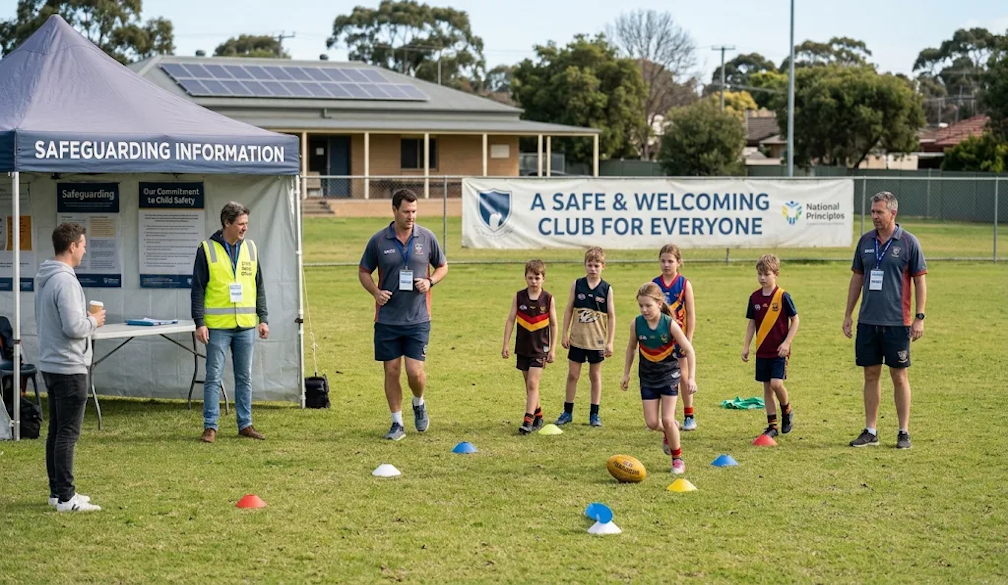
Picture a junior football club on a Saturday morning. Volunteers are setting up cones, parents are juggling coffees, coaches are running drills and dozens of children are running around the field. It's a scene that plays out at clubs, schools, churches, dance studios and holiday programs across the country. And behind every one of them sits an important question: what's in place to keep those children safe?
Many organisations assume that working with children checks are enough. They're an important start, but they're only one piece of a much bigger picture. A strong approach to safeguarding in Australia involves clear policies, trained people, safe environments and a culture where concerns are raised and acted on quickly. That's what a safeguarding plan brings together.
What safeguarding actually means
Safeguarding is about protecting children from harm, including abuse, neglect, exploitation and bullying. It covers physical, emotional and online safety, and it applies to everyone involved in an organisation, from paid staff and volunteers to contractors and board members.
A safeguarding plan sets out how an organisation will prevent harm, recognise warning signs and respond when concerns arise. It isn't a document that sits in a drawer. It should shape how people behave, how activities are run and how decisions are made.
Why it matters more than ever
Expectations around child safety have changed significantly in Australia over the past decade. The Royal Commission into Institutional Responses to Child Sexual Abuse highlighted serious failures in organisations that were meant to protect children. Its findings led to stronger laws, child safe standards and reporting obligations across the country.
Many states and territories now require organisations that work with children to meet specific child safe standards. These often cover leadership, recruitment, training, complaint handling, child participation and continuous improvement. Some organisations also fall under reportable conduct schemes, which require them to report and investigate certain allegations involving staff or volunteers.
Beyond legal obligations, families expect organisations to take safety seriously. A clear safeguarding plan builds trust with parents and carers and helps organisations attract volunteers, staff and members.
The key elements of a safeguarding plan
A good safeguarding plan usually covers several core areas.
Leadership and accountability come first. Someone at a senior level should be responsible for child safety, and leaders need to model the behaviour they expect from others.
Safe recruitment is essential. This includes working with children checks, but also thorough reference checks, interviews that explore attitudes to child safety and clear communication of expectations before anyone starts.
A code of conduct sets out acceptable and unacceptable behaviour, including boundaries around physical contact, communication with children, social media and one-on-one situations.
Training ensures everyone knows how to recognise signs of harm, what their obligations are and how to respond to a disclosure or concern.
Reporting and response procedures explain exactly what to do when something worries you, who to tell and how concerns will be handled.
Safe environments look at physical spaces and online platforms, identifying risks and putting practical safeguards in place.
Building a culture, not just a policy
Policies are important, but culture is what really keeps children safe. In organisations with strong safeguarding cultures, people feel confident speaking up, concerns are taken seriously and nobody is considered above scrutiny.
Children should also have a voice. Asking them what makes them feel safe, explaining their rights in age-appropriate ways and making it easy for them to raise concerns helps create a safer environment. Families can be involved too, by sharing information about policies and inviting feedback.
Regular conversations about safeguarding, rather than a once-a-year training session, help keep it front of mind.
Getting help to get it right
Smaller organisations, particularly volunteer-run clubs and community groups, can find safeguarding requirements overwhelming. Regulations vary between states, and it can be hard to know where to start.
Specialist safeguarding consultants can help organisations assess their current practices, develop policies, deliver training and respond to complex concerns. Peak bodies, sporting associations and government agencies also offer templates and guidance.
The most important step is simply to start. Review what you already have, identify the gaps and work through them one by one.
Every child deserves to feel safe in the places where they learn, play and grow. A safeguarding plan helps organisations live up to that responsibility, protecting children, supporting staff and volunteers, and giving families the confidence that their kids are in good hands.