How Pallet Racking Systems Improve Warehouse Organisation and Productivity
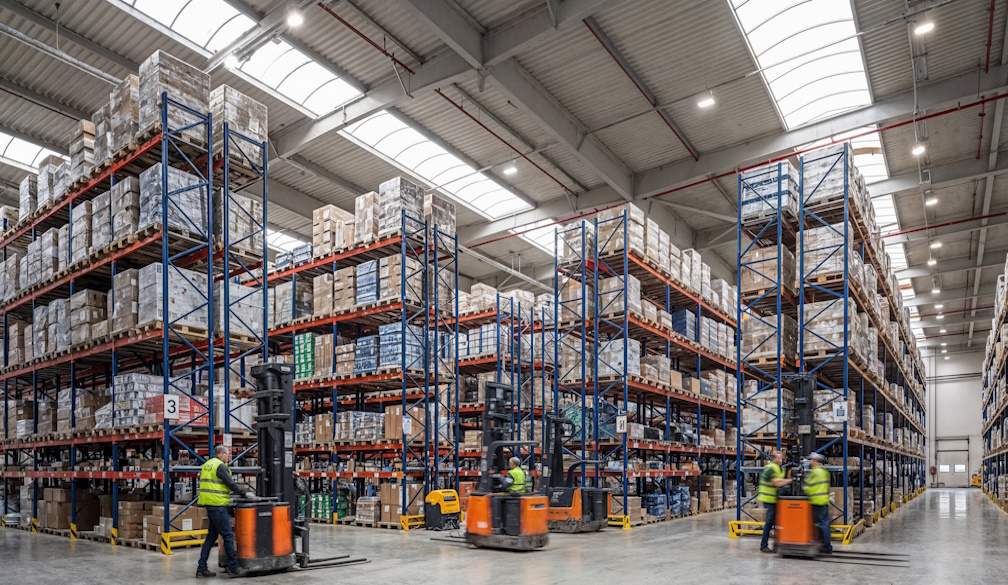
Warehouses and distribution centres play a vital role in modern supply chains. As businesses manage increasing inventory volumes and faster delivery expectations, efficient storage systems have become more important than ever. One of the most effective solutions used by warehouses worldwide is pallet racking, which provides structured storage for palletised goods.
Pallet racking systems allow businesses to store products in organised vertical structures, making it easier to manage inventory and access goods quickly. These systems are widely used in manufacturing, logistics, retail distribution, and many other industries.
Understanding the Structure of Pallet Racking Systems
A pallet racking system consists of upright frames connected by horizontal beams that support pallet loads.
Pallets containing goods are placed on these beams using forklifts or other lifting equipment.
The racking structure allows goods to be stored at multiple levels above the warehouse floor.
This multi-level design helps warehouses utilise vertical space effectively while maintaining organised storage arrangements.
By stacking pallets safely within structured racks, warehouses can store large quantities of goods within limited floor areas.
Improving Inventory Accessibility
Efficient inventory access is essential for maintaining smooth warehouse operations.
Pallet racking systems allow forklifts to access individual pallets quickly without needing to move surrounding items.
This direct access is particularly useful in warehouses that handle frequent product movement.
Workers can retrieve goods faster, which helps reduce delays in order fulfilment and shipping processes.
Improved accessibility also supports accurate inventory tracking and reduces the likelihood of misplaced items.
Enhancing Warehouse Efficiency
Warehouse efficiency depends on organised storage systems that minimise unnecessary movement and delays.
Pallet racking systems create clearly defined storage locations that help workers locate products quickly.
This organised structure allows warehouse teams to process incoming and outgoing shipments more efficiently.
With designated storage spaces, inventory can be arranged based on product categories, demand levels, or shipping schedules.
This organisation helps streamline warehouse workflows and improve operational productivity.
Maximising Storage Capacity
One of the biggest advantages of pallet racking systems is their ability to maximise storage capacity.
Instead of storing pallets only on the warehouse floor, racking systems allow goods to be stacked vertically.
This vertical storage approach makes full use of warehouse height, increasing the amount of inventory that can be stored in the facility.
By optimising available space, businesses can avoid overcrowded storage areas and maintain efficient working environments.
Maximised storage capacity also reduces the need for additional warehouse space.
Improving Workplace Safety
Safety is a critical factor in warehouse operations where heavy goods and machinery are regularly handled.
Pallet racking systems provide stable storage structures designed to hold heavy pallet loads securely.
Properly installed racks reduce the risk of pallets collapsing or shifting during storage.
Clear aisles between racking rows allow forklifts to operate safely without obstructing movement.
Regular inspections and maintenance of racking systems help ensure that the structures remain safe and reliable.
Safe storage environments contribute to better working conditions for warehouse staff.
Supporting Modern Logistics Operations
Modern supply chains require warehouses to handle large volumes of products while maintaining fast delivery times.
Pallet racking systems support these logistics demands by improving storage organisation and product accessibility.
When inventory is stored systematically, warehouse workers can process orders faster and with fewer errors.
Efficient storage systems also help reduce congestion within warehouse aisles, allowing forklifts to move more freely.
These improvements contribute to faster distribution processes and improved customer satisfaction.
Flexible Storage Configurations
Pallet racking systems are available in various configurations designed to meet different storage needs.
Warehouses may use selective racking for direct access to each pallet or high-density systems for maximising storage capacity.
Some facilities also incorporate automated storage systems that integrate with pallet racking structures.
This flexibility allows businesses to design storage layouts that match their operational requirements.
Customisable storage systems ensure that warehouses remain adaptable as inventory demands change.
Long-Term Durability and Investment Value
Industrial pallet racking systems are built from durable materials designed to withstand heavy loads and continuous warehouse activity.
With proper maintenance, these systems can remain functional for many years.
Their long lifespan makes pallet racking a cost-effective investment for companies that require reliable storage solutions.
By improving warehouse efficiency and reducing operational costs, pallet racking systems contribute to long-term business success.
Conclusion
Pallet racking systems are essential tools for improving warehouse organisation, efficiency, and safety.
By allowing businesses to maximise storage space while maintaining easy access to inventory, these systems support modern logistics operations and supply chain management.
For warehouses handling large volumes of goods, pallet racking provides a practical and reliable storage solution that enhances productivity and supports long-term operational growth.