Restoring Movement Through Exercise Physiology
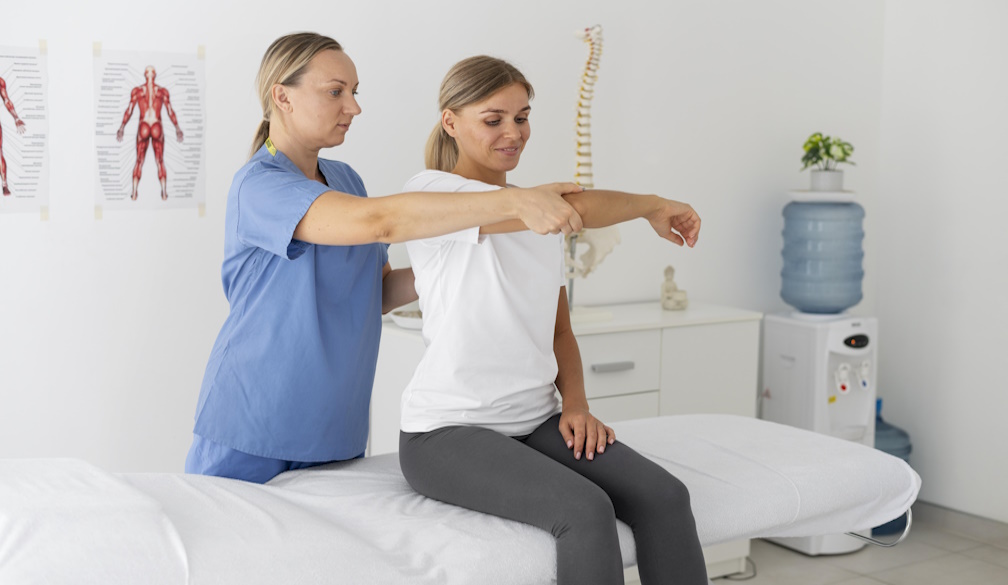
Regular movement and tailored exercise are increasingly recognised as essential elements of achieving and maintaining optimal health — not just for fitness-enthusiasts, but for anyone managing injury, chronic pain or impairment. The role of professionally guided intervention through Exercise Physiology offers an evidence-based pathway to improve mobility, reduce discomfort and regain independence.
First, let’s clarify what “exercise physiology” means in practice. An accredited exercise physiologist is a university-qualified allied health professional who specialises in the body’s response to exercise — how to design safe, effective interventions and support recovery or functional enhancement. According to the service description, they provide screening and movement-capacity assessment, personalised exercise programmes, activity education and movement modifications.
When might such an approach be appropriate? A number of scenarios stand out:
- Following traumatic injury — the body has been disrupted and needs specific rehabilitation rather than generic fitness.
- In the presence of chronic pain or neuromuscular impairment — where everyday movement is affected and a tailored programme can help restore control.
- For musculoskeletal or neurological conditions — providing an evidence-based alternative to simply resting or relying on generic advice.
- For improvements in strength, function or mobility — when the goal is to return to work, sport or daily activities at a higher level than current capability.
What distinguishes a high-quality exercise physiology service? Several points emerge from the provider description which can serve as best-practice indicators:
- Personalised assessment and exercise prescription: The intervention is tailored to the individual’s condition, goals and functional capacity.
- Integration with allied-health support: The exercise physiologist should work in collaboration with other health professionals, acknowledging a holistic approach.
- Accessibility and variation in delivery: The service may include in-centre, gym, hydrotherapy or telehealth settings depending on the client’s needs and environment.
- Evidence-based, client-centred care: Focus on the best quality of care, not simply following generic protocols.
Let’s walk through the client journey in a typical exercise physiology engagement:
- Initial assessment – The exercise physiologist evaluates movement, functional capacity, strength, pain levels and sets clear goals (e.g. return to sport, reduce pain, improve daily-function).
- Programme design – A tailored plan is created, addressing the unique impairments, risks, and goals of the individual.
- Implementation & education – The individual undertakes the exercise interventions (gym-based, pool/hydrotherapy, home-based or clinic) and receives education on movement, lifestyle modifications and prevention of recurrence.
- Monitoring & progression – Regular review, adjustment of exercise intensity/complexity, tracking of outcomes such as pain reduction, mobility improvement or return to activity.
- Transition to independence – Ultimately the goal is that the individual becomes self-managing, maintaining gains and preventing further injury.
There are several advantages to choosing exercise physiology over less-targeted approaches:
- Reduced risk of inappropriate exercise – A professional ensures that exercises are safe and effective for that person’s condition.
- More efficient recovery or improvement – A personalised plan aligned to the person’s impairments tends to yield better outcomes.
- Functional restoration rather than just symptom relief – The emphasis is on improving how you move, function and participate in life.
- Applicable across ages and levels of injury or disability – The service is not limited to elite athletes, but is for anyone experiencing functional limitations.
If you are contemplating engaging such a service, here are a few tips to keep in mind:
- Ensure the practitioner is accredited and has experience in your specific area (neurological, musculoskeletal, chronic pain etc).
- Ask how your programme will be tailored to your specific goals rather than a one-size-fits-all workout.
- Verify how outcomes will be measured: what does “improvement” look like for you, and how will it be tracked?
- Consider delivery options and accessibility (telehealth, centre-based, home-based) in your context.
- Check funding and eligibility (for example, through health insurance, disability funding, or workers compensation) — many services will work with various funding bodies.
In summary, Exercise Physiology is a powerful intervention modality for anyone seeking more than basic fitness — especially if you are navigating injury, chronic pain, disability or functional impairment. By engaging a specialist who can assess, prescribe, educate and monitor, you’re choosing a path that aims not just for recovery but for optimal movement, independence and quality of life.